
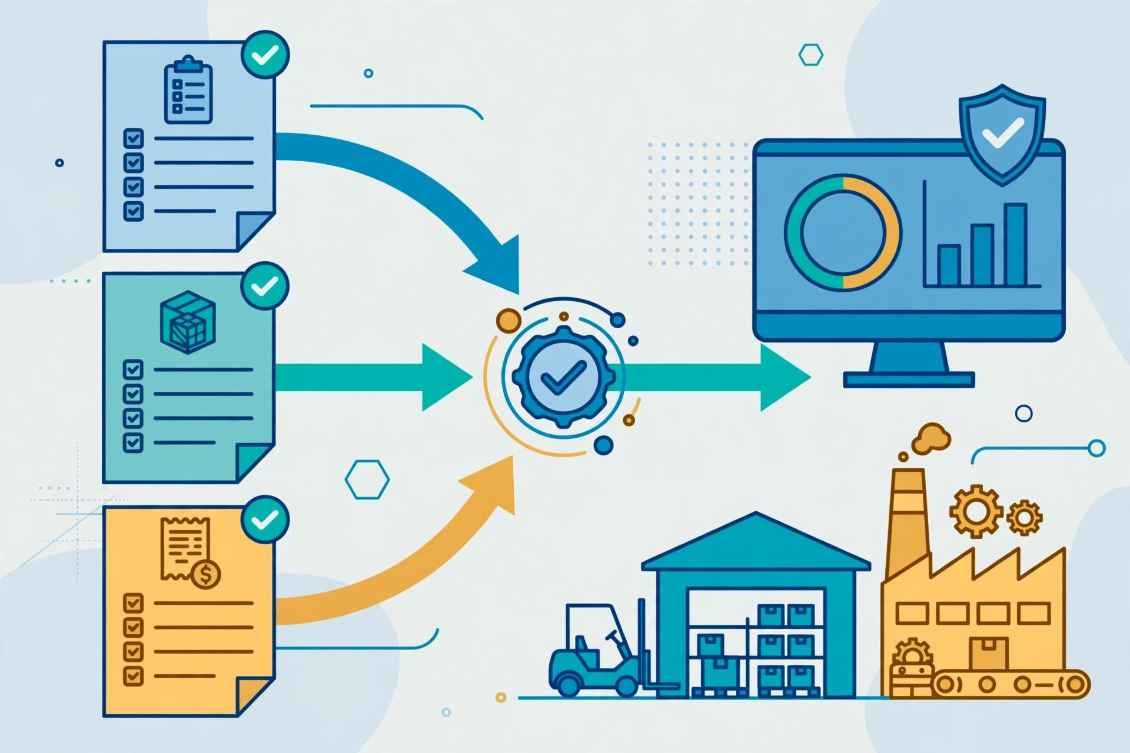
Three years ago, I audited a mid-market manufacturing firm where four full-time clerks spent thirty hours every week stapling paper packing slips to vendor bills. Implementing accounts payable three-way matching workflow automation cut their invoice approval cycle from eleven days down to fourteen hours within a single quarter.
If your finance team still manually cross-checks purchase orders, receiving logs, and supplier invoices, you are burning cash on preventable human error. Here is exactly how I architect, calibrate, and deploy automated matching pipelines that protect margins without stalling vendor relationships.
Why Manual Matching Breaks Down at Scale
Manual verification works fine when you process fifty invoices a month. Once volume crosses five hundred bills, human fatigue guarantees duplicate payouts and missed early-payment discounts.
The Hidden Cost of Spreadsheet Verification
During my audit of that distributor, we uncovered $42,000 in overpayments over twelve months caused solely by unit-of-measure mismatches—paying box prices for individual units. According to benchmark data from the Institute of Finance & Management (IOFM), manual invoice processing averages over $12 per invoice, whereas best-in-class automated teams bring that cost below $3.
Beyond direct overpayments, paper-based bottlenecks blind leadership to real-time cash liabilities. When receiving docks fail to log packing slips promptly, invoices sit in limbo on clerks’ desks, destroying accrual accuracy during financial reporting.
How Automated Invoice Matching Operates Step by Step
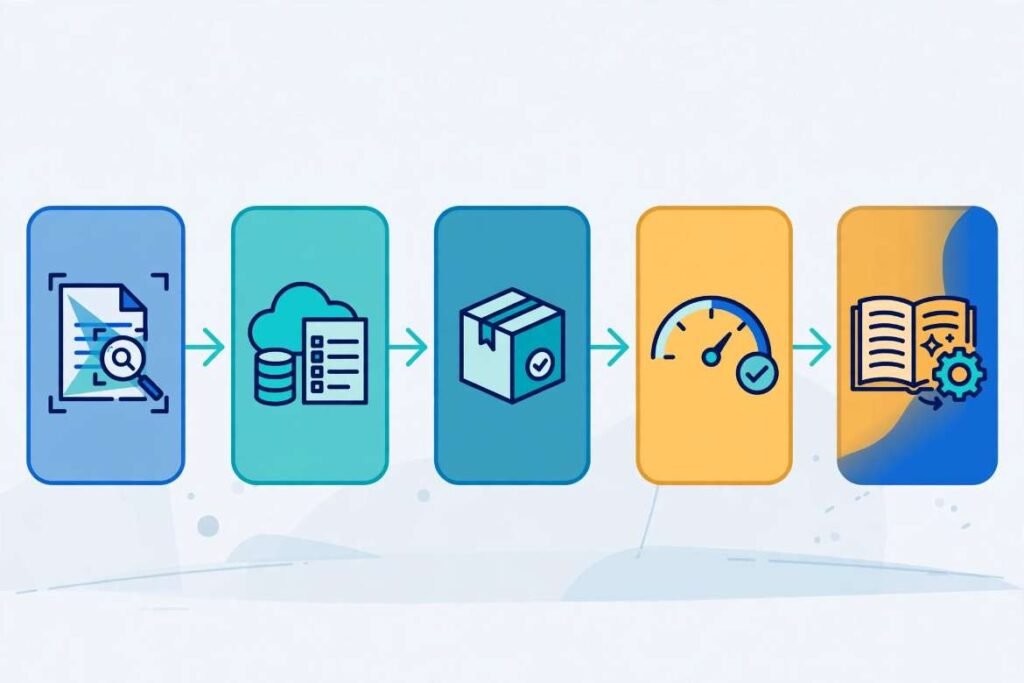
Modern accounts payable three-way matching workflow automation turns a multi-day paper chase into a background digital pipeline. Instead of humans hunting down signatures, software validates every line item before a human ever looks at the bill.
Optical Character Recognition and ERP Synchronization
The workflow begins the second a vendor emails a PDF or transmits an EDI file. Intelligent Document Processing (IDP) and Optical Character Recognition (OCR) extract header totals alongside granular line-item data, including SKUs, unit prices, quantities, and freight charges.
Next, the automation engine queries your Enterprise Resource Planning (ERP) system via API to pull the original Purchase Order (PO) and the warehouse-logged Goods Receipt Note (GRN). If you already use middleware to connect your financial stack—similar to how teams automate month-end close with iPaaS—this data sync happens in milliseconds rather than overnight batch runs.
Tolerance Thresholds and Straight-Through Processing
Once all three documents sit in memory, the rule engine compares quantities ordered, quantities received, and agreed unit prices. Strict zero-tolerance rules sound great in theory, yet they backfire immediately in practice because minor freight fluctuations or penny rounding differences freeze valid payments.
I always configure asymmetric tolerance thresholds: zero percent variance allowed on unit price, paired with a two to five percent buffer on shipping or weight variances. When every line falls inside those guardrails and clears duplicate checks, the system achieves Straight-Through Processing (STP), posting the voucher directly to your general ledger and scheduling payment.
2-Way vs. 3-Way vs. 4-Way Automated Matching Compared
Not every dollar leaving your company requires warehouse verification. Applying rigid physical receipt rules to software subscriptions only creates unnecessary friction for your department heads.
| Matching Tier | Documents Verified | Ideal Spend Category | Operational Advantage |
| 2-Way Matching | PO + Supplier Invoice | SaaS licenses, retainers, legal fees, utilities | Eliminates receiving bottlenecks where no physical box arrives |
| 3-Way Matching | PO + GRN + Supplier Invoice | Raw materials, wholesale inventory, MRO supplies | Confirms physical delivery before cash leaves the bank |
| 4-Way Matching | PO + GRN + Inspection Report + Invoice | Aerospace parts, pharmaceuticals, capital machinery | Ensures delivered goods pass quality assurance specs first |
Configuring your AP rules engine to route spend dynamically across these three tiers ensures tight financial control without slowing down routine operating expenses.
Real-World Exception Matrix: How I Configure Routing Rules
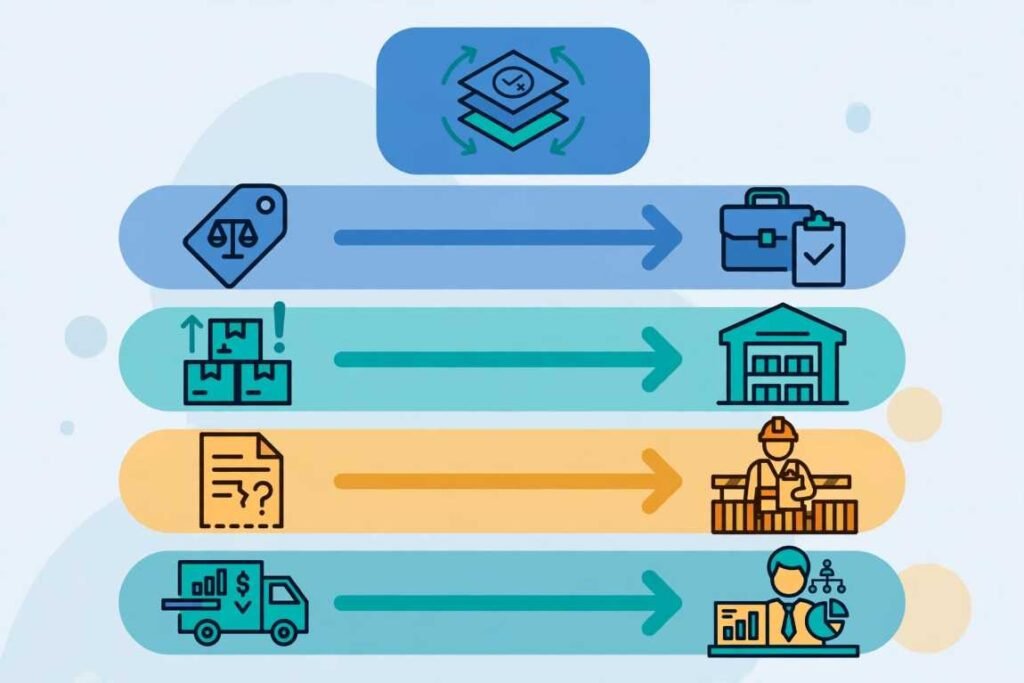
Automation does not eliminate discrepancies; it isolates them instantly so the right person fixes the root cause. When I deploy a matching workflow, I replace generic “invoice rejected” emails with targeted routing logic.
| Discrepancy Type | Trigger Threshold | Automated Action | Assigned Owner |
| Price Variance | Unit price exceeds PO by > $0.01 | Hold line item; attach PO rate history | Procurement Buyer |
| Quantity Over-Billed | Billed units exceed GRN count | Short-pay approved receipt; dispute excess | Warehouse Manager |
| Missing GRN | Invoice arrives > 48 hrs before receipt | Pause aging clock; ping receiving dock | Dock Supervisor |
| Unapproved Freight | Shipping exceeds 5% PO estimate | Route for one-click department approval | Cost Center Manager |
Routing exceptions directly to the operational owner—rather than dumping everything on AP clerks—cuts resolution time by more than half. Furthermore, every approval and override writes to an immutable timestamped log, satisfying strict IRS recordkeeping guidelines and AICPA SOC 1 internal control standards.
Choosing the Right AP Automation Platform for Your ERP
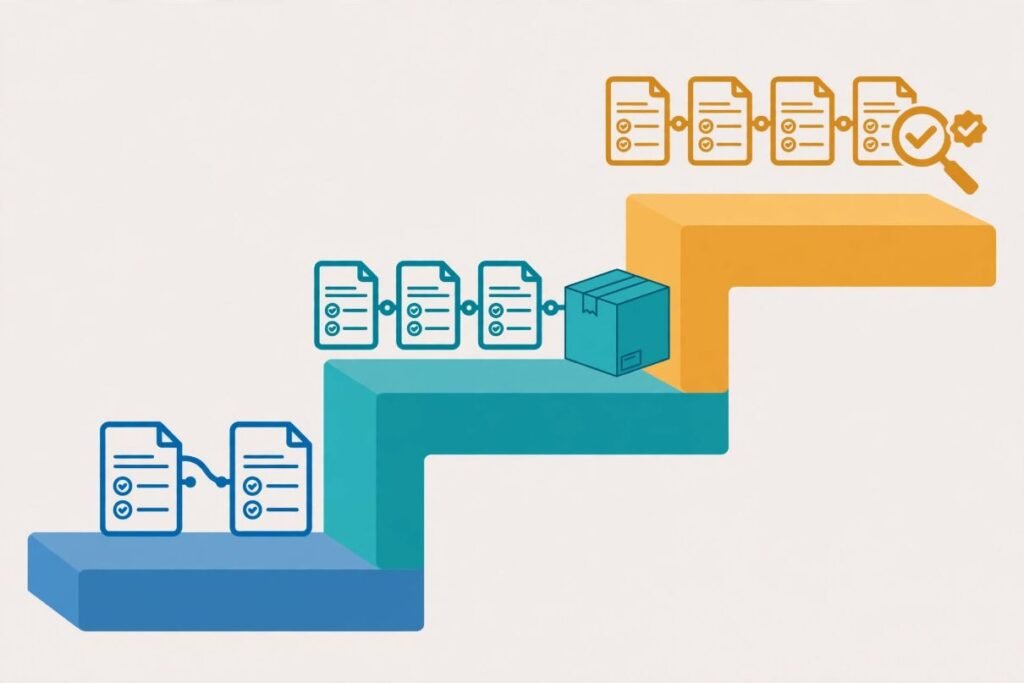
Your existing ERP architecture dictates which AP automation platform will deliver the fastest return on investment. A tool built for global cross-border payouts looks very different from one engineered for multi-plant manufacturing.
| Platform | Best Fit Profile | Three-Way Matching Strength | Core ERP Integrations |
| Medius | Mid-Market to Enterprise | AI-driven line-item mapping across multi-PO invoices | SAP S/4HANA, Dynamics 365, NetSuite |
| Tipalti | High-Growth Multi-Entity | Line-item matching paired with global tax and FX compliance | NetSuite, Sage Intacct, QuickBooks |
| Coupa | Large Enterprise | Unified Source-to-Pay suite with zero GRN sync latency | SAP, Oracle, Workday |
| SAP Ariba | Heavy Manufacturing | Native 3-way and 4-way matching as detailed in SAP S/4HANA documentation | Deep native SAP ecosystem |
| Zoho Books | Agile SMBs | Built-in PO-to-bill receipt validation at low licensing cost | Zoho Inventory, custom REST APIs |
If your engineering team already manages complex financial data pipelines—such as an automated revenue recognition api integration—evaluate platforms based on webhook reliability and bi-directional ERP field mapping rather than flashy user interfaces.
Implementation Pitfalls I Learned to Avoid
Even the smartest OCR engine fails if your upstream procurement habits are chaotic. Before flipping the switch on automation, enforce these non-negotiable operational rules:
- Mandate “No PO, No Pay”: Require every non-utility vendor to print a valid PO number on their invoice header, or reject the PDF automatically at the inbox level.
- Standardize Units of Measure: Align your ERP item master with vendor catalog units (cases versus eaches) so the matching algorithm compares apples to apples.
- Pilot Your Top Twenty Vendors First: Onboard your highest-volume suppliers during week one to calibrate tolerance rules before scaling across long-tail vendors.
Frequently Asked Questions
1. What is accounts payable three-way matching workflow automation?
It is software that uses AI and OCR to automatically compare a purchase order, goods receipt note, and supplier invoice before approving payment.
2. What is a good touchless processing rate for automated 3-way matching?
A healthy automated AP workflow achieves a 70% to 85% touchless straight-through processing rate within six months of deployment.
3. How do tolerance thresholds work in automated invoice matching?
Tolerance rules allow invoices with minor pre-approved price or freight variances (typically 2% to 5%) to clear automatically without human intervention.
4. Can three-way matching automation work without a separate ERP system?
No, because the matching engine requires live purchase order and warehouse receiving data stored inside an ERP or inventory management system.
Stop Paying Humans to Play Spot-the-Difference
Every hour your accounting team spends manually comparing PDFs against packing slips is an hour stolen from cash-flow forecasting and vendor negotiation. Audit your last one hundred invoices today, identify your top three recurring mismatch causes, and pilot accounts payable three-way matching workflow automation on your highest-volume supplier next month.


2 thoughts on “Accounts Payable Three-Way Matching Workflow Automation: My Field Guide”