
Maintaining a garden requires the use of various tools, one of the most essential being a grass trimmer. A key component of any grass trimmer is the trimmer line itself, which cuts through grass and weeds efficiently. Selecting the appropriate trimmer line is crucial to ensure effective trimming, prolong the lifespan of the tool, and keep the garden looking neat.
Understanding the Role of Trimmer Line
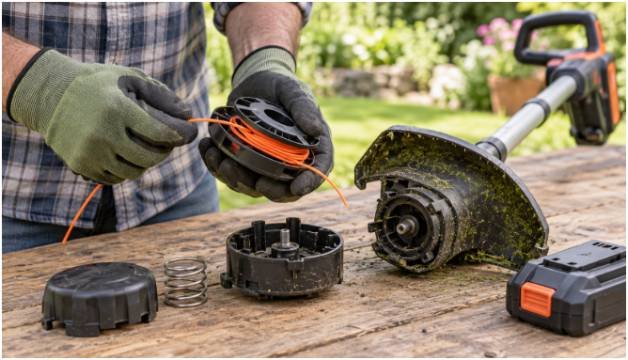
The trimmer line is the cutting element in a grass trimmer, typically made from nylon or similar polymers. When the trimmer operates, the line spins rapidly, cutting through grass blades and lighter weeds. The thickness, shape, and material of the trimmer line determine its cutting ability, durability, and suitability for different types of vegetation.
Types of Trimmer Line
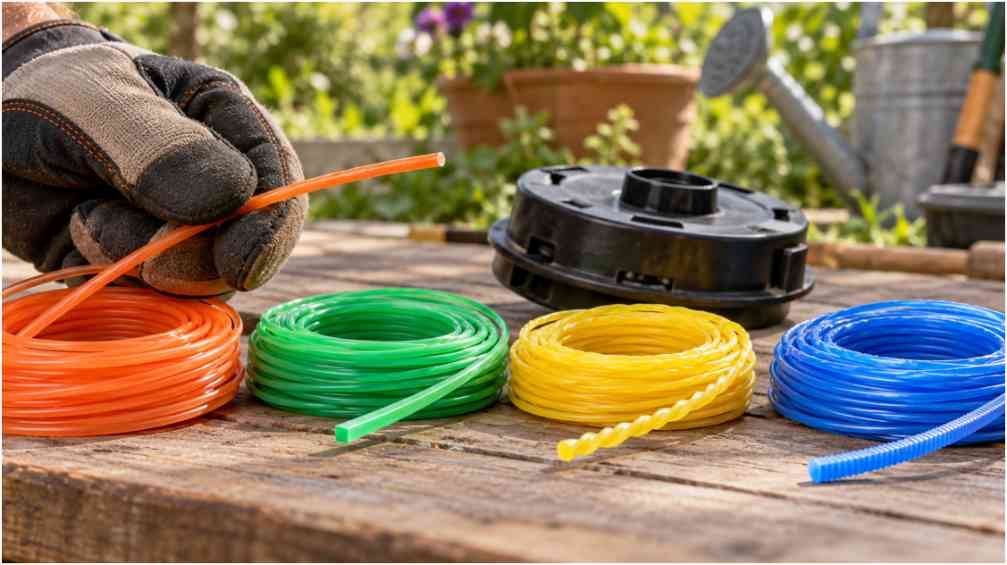
Trimmer lines come in various forms, including round, square, twisted, and serrated shapes. Round lines are the most common and generally suitable for light to medium trimming tasks. Square lines offer more cutting edges, improving cutting performance on tougher grass. Twisted or serrated lines provide even better cutting action, especially for thicker or woody weeds.
Choosing the Correct Diameter
The diameter of the trimmer line is an important factor affecting performance. Line thickness typically ranges from 1.3mm to 3mm. Thinner lines, such as 1.3mm or 1.5mm, are well suited for light grass trimming and detail work around flower beds. Thicker lines, such as 2.4mm or higher, are intended for heavy-duty tasks and tough vegetation. Using the right diameter ensures the trimmer operates efficiently without overloading the motor.
Material and Durability
Most trimmer line is crafted from durable nylon, but variations exist based on additives and design. Some lines have enhanced durability and wear resistance due to special coatings or composite materials. Selecting a line with enhanced durability can reduce the frequency of replacements and maintain cutting performance over time.
Compatibility with Trimmer Models
A critical consideration when selecting trimmer line is compatibility with the specific grass trimmer, as well as the different soil and rock types present in your garden. Different models have spool sizes and line feeds that accommodate certain diameters and types of line. It is important to consult the manufacturer’s recommendations or the user manual to ensure the purchased line fits the device properly and can endure local ground conditions.
Considering the Garden’s Vegetation
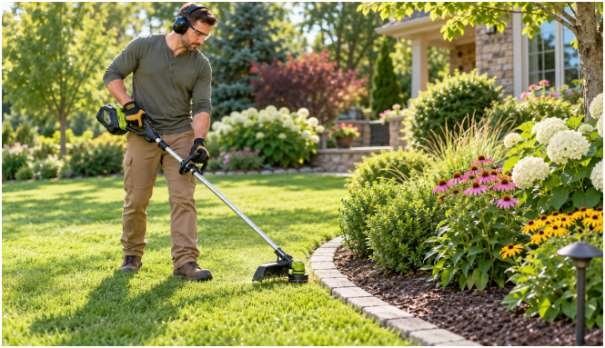
The type of vegetation in the garden is another factor influencing the choice of trimmer line. Gardens with mostly fine lawn grass require a thinner line for precision trimming. Conversely, areas with dense weeds, woody stems, or thicker grass species benefit from a thicker or shaped line which delivers more cutting power.
Environmental Impact of Trimmer Line
With increasing attention on environmental sustainability shaping the future of urban living, some trimmer lines are designed to be biodegradable or less harmful to the environment. While traditional nylon lines can contribute to plastic waste, newer alternatives may degrade faster or be made from recycled materials. Gardeners concerned about environmental impact should consider these options where available.
Cost versus Performance
Trimmer lines vary in price according to material quality, brand, and design features. Generally, higher-quality lines offer better performance and longer life, representing a cost-effective choice over time. However, for occasional use or light tasks, budget-friendly lines may suffice without significant compromise.
Storage and Handling of Trimmer Line
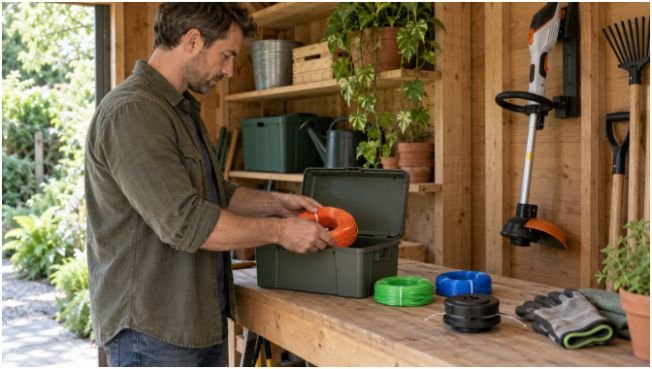
Proper storage of trimmer line helps maintain its flexibility and prevents damage. It should be kept in a cool, dry location away from direct sunlight and sharp objects. Handling the line carefully avoids kinks or tangles that could affect the feeding mechanism of the trimmer spool.
Replacing the Trimmer Line
Knowing how to correctly replace the trimmer line ensures smooth operation of the grass trimmer. The replacement process differs between manual and automatic feeding trimmer models. Users should refer to device instructions to correctly spool the line, avoid jams, and ensure proper line length for optimal cutting.
Safety Precautions
Using the correct trimmer line also contributes to safety. Lines that are too thick or incompatible with the machine can cause excessive vibrations, which may lead to loss of control or damage. Ensuring the line does not exceed recommended lengths prevents accidents from flying debris.
Where to Purchase Quality Trimmer Line
Reliable suppliers provide a range of trimmer lines to suit different needs. It is advisable to purchase from vendors offering detailed product specifications and compatibility guidance. For example, trimmer line suppliers offering high-quality options ensure gardeners have access to suitable products matched to their trimmer models.
Summary of Selection Factors
To summarise, selecting the right trimmer line depends on several interrelated factors: line diameter, shape, material, compatibility with the garden’s vegetation and tool, environmental considerations, and cost. Careful evaluation of these elements helps optimise garden maintenance tasks.
Conclusion
Choosing the right trimmer line is fundamental to effective garden management. By considering the type of vegetation, equipment specifications, and material properties, gardeners can ensure efficient cutting performance, prolong equipment life, and maintain a neat garden appearance. Investing time in selecting appropriate trimmer line ultimately supports safer and more productive gardening activities.