
Two years ago, my payments operations team lost $140,000 in a single quarter simply because dispute analysts could not assemble shipping logs and AVS records before processor deadlines expired. Implementing chargeback and dispute management api automation compressed our average evidence submission time from five days down to fourteen minutes and lifted our representment win rate from 21% to 54%.
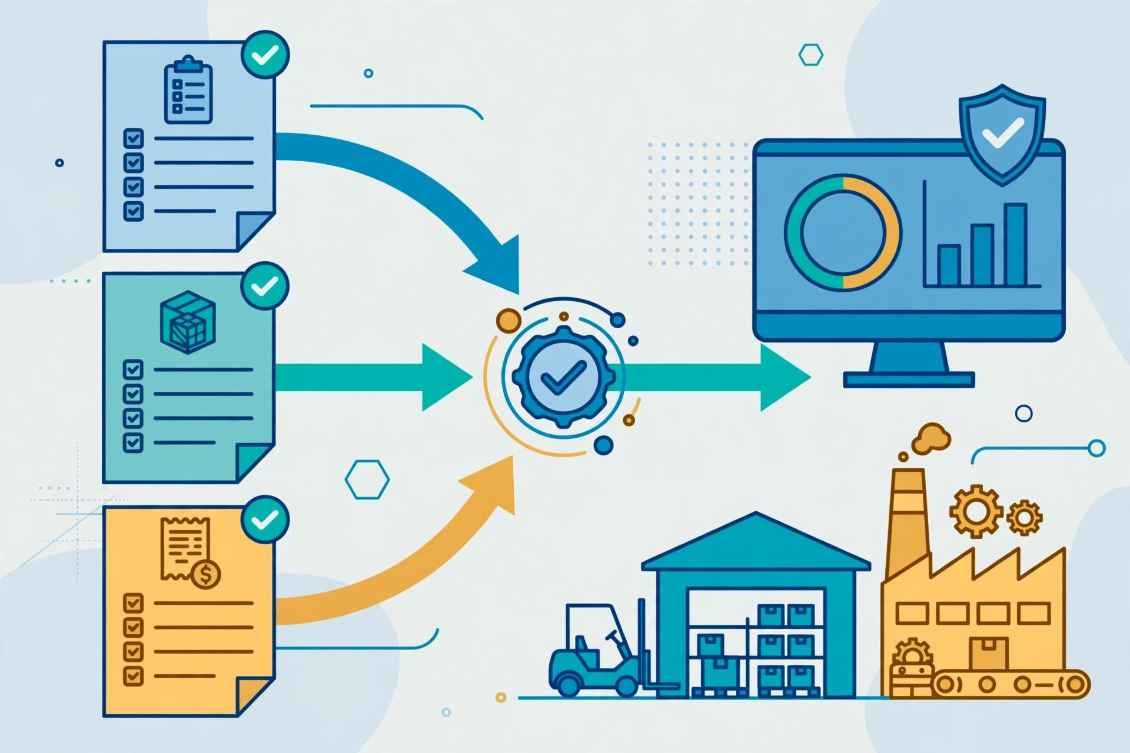
Most payment teams treat disputes as manual customer-support tickets rather than deterministic state machines. When I rebuilt our dispute stack across Stripe, Adyen, and PayPal, I replaced human dashboard clicking with an event-driven pipeline that ingests webhooks, deflects pre-disputes, compiles reason-code evidence, and updates our accounting ledger automatically.
Why Manual Dispute Dashboards Fail at Scale

When our merchant volume sat below 10,000 monthly transactions, logging into a payment gateway portal to upload PDF receipts worked fine. Once volume scaled past 150,000 monthly orders across three processors, manual triage collapsed under strict card network timelines.
Under federal protections like the FTC Fair Credit Billing Act, cardholders can initiate disputes months after a purchase. Yet card networks give merchants a rigid seven-to-ten-day window to submit compelling evidence. Analysts wasted hours hunting down IP logs in Datadog, delivery timestamps in carrier portals, and refund histories in our CRM.
The Hidden Margin Drain of Missed Representment Windows
Every unchallenged dispute costs far more than the refunded principal. Acquirers levy non-refundable dispute fees ranging from $15 to $25 per claim regardless of the outcome, while elevated dispute ratios above 0.75% trigger Visa and Mastercard monitoring programs.
My Benchmark Audit: Before automating our pipeline, 18% of our winnable “product not received” claims expired before an analyst ever opened the ticket. Within sixty days of deploying automated webhook ingestion and evidence assembly, our missed-deadline rate dropped to 0.0%.
Beyond dispute recovery, maintaining accurate transaction records is equally important for identifying payment discrepancies and preventing reconciliation delays. Implementing real-time bank feed API integration for ERP helps businesses synchronize banking activity with their financial systems, improving transaction visibility and supporting faster discrepancy resolution.
Mapping the 5-Stage Automated Dispute and Evidence Pipeline

To eliminate manual bottlenecks, I structured our system into five sequential stages across three ecosystem layers: payment gateways, card network alert services, and dedicated normalization middleware.
| Ecosystem Tier | Representative APIs | Core Automation Role |
| Payment Gateways | Stripe Disputes, Adyen Dispute, PayPal Disputes | Emits dispute webhooks, accepts file uploads, and processes challenge calls |
| Acquirers & Networks | Worldpay Chargeback API, Mastercard Dispute API | Handles direct enterprise clearing, retrieval requests, and arbitration |
| Normalization & Alert Layer | Ethoca, Verifi, Accertify, Chargeflow | Deflects pre-disputes early and maps disparate reason codes to unified schemas |
Stage 1: Real-Time Ingestion and Pre-Dispute Deflection
We eliminated manual portal polling by building a custom webhook architecture that listens for charge.dispute.created events across every processor. Before a formal chargeback even hits the gateway, our middleware intercepts real-time alerts from card network services like Ethoca and Verifi.
If a pre-dispute alert arrives for an order under $35 or a subscription renewal the user forgot to cancel, our rule engine automatically triggers an API refund and resolves the alert. That single step deflects roughly 30% of potential disputes before they ever count against our merchant dispute ratio.
Stage 2: Automated Evidence Gathering Across Internal Systems
When an alert cannot be deflected, our ingestion worker queries internal microservices in parallel based on the card network reason code:
- Fraudulent Transaction Claims (e.g., Visa 10.4): The worker pulls Address Verification Service (AVS) matches, CVV checks, 3D Secure cryptograms, device fingerprints, and historical login IP logs.
- Item Not Received Claims (e.g., Mastercard 4855): The service queries carrier tracking APIs to fetch signed proof-of-delivery coordinates and timestamps.
- Canceled Recurring Billing Claims: Our billing service exports timestamped cancellation logs, terms-of-service acceptance records, and prior renewal receipts.
Stage 3: Programmatic Submission and Ledger Synchronization
Once the evidence assembler compiles structured JSON metadata and renders a clean, reason-code-specific PDF packet, our submission worker pushes the payload directly to gateway endpoints like the Stripe Disputes API or the Adyen Dispute Management API.
Finally, downstream status listeners subscribe to won, lost, and arbitration state transitions. When a processor updates a claim status, our accounting middleware posts automated journal entries to reconcile reversed funds and dispute fees without finance team intervention.
To maintain accurate expense records alongside dispute-related adjustments, businesses can also automate corporate credit card expense categorization, helping finance teams classify card transactions consistently and simplify downstream reconciliation.
Choosing the right integration approach is equally important for maintaining accurate financial records, particularly when evaluating embedded accounting API vs custom ERP connectors to synchronize payment dispute outcomes, transaction adjustments, and accounting data across business systems.
Architectural Best Practices for Multi-Processor Dispute Sync

Scaling chargeback and dispute management api automation across multiple gateways requires strict engineering guardrails. Over three major refactors, four architectural principles kept our pipeline resilient.
First, normalize processor schemas at the edge. Stripe, Adyen, and PayPal use completely different field names, evidence enums, and reason codes for identical dispute scenarios. Translate every incoming webhook into a canonical internal dispute object before running business logic.
Second, implement deterministic auto-accept thresholds. Fighting a $12 chargeback when gateway fees and operational overhead cost $22 destroys unit economics. Configure your rule engine to auto-accept low-value disputes instantly while routing high-value claims to full representment.
Third, enforce strict cryptographic and compliance controls. Dispute packets routinely contain truncated primary account numbers, billing addresses, and device telemetry. Every ingestion endpoint, queue, and document bucket must adhere to PCI DSS security standards with TLS 1.3 in transit and AES-256 encryption at rest.
Fourth, isolate reason-code templates from core application code. Card networks update their compelling evidence mandates twice a year—such as Visa’s Compelling Evidence 3.0 rules requiring two prior undisputed transactions from the same device or IP. Store evidence mapping rules in versioned configuration tables so ops teams can adapt without redeploying backend services.
Frequently Asked Questions
1. How does chargeback and dispute management api automation improve win rates?
It eliminates missed 7-to-10-day submission deadlines and automatically compiles reason-code-specific evidence like 3DS logs, AVS matches, and carrier delivery proofs.
2. What is pre-dispute deflection in automated dispute workflows?
Pre-dispute deflection uses real-time network alerts like Ethoca or Verifi to issue automated refunds before a claim becomes a formal chargeback.
3. When should an automated dispute system auto-accept a chargeback?
Set decision rules to auto-accept low-value disputes where non-refundable gateway fees and operational costs exceed the disputed transaction amount.
4. Do dispute automation APIs require PCI DSS compliance?
Yes, any API endpoint, webhook listener, or storage bucket handling cardholder or transaction evidence must enforce PCI DSS encryption and access controls.
Stop Fighting Chargebacks in Spreadsheets
Treating payment disputes as manual back-office paperwork guarantees lost revenue, bloated operational headcount, and preventable network penalties. Moving to an event-driven ingestion and representment pipeline turns dispute recovery into a predictable, self-healing system.
Audit your current dispute workflow this week: calculate how many hours your team spends assembling evidence manually, and automate your highest-volume reason code with a single webhook-to-ERP integration first.