
I know how quickly an online clothing purchase can become a guessing game. A jacket looks perfect on the model, but its shoulder width, sleeve length, and stretch remain unclear. Adding another product photo rarely answers every question.
That is why I approach virtual fitting room integration in garments as a connected shopping experience. The goal is to help customers understand their options, select an appropriate size, and purchase the exact item they previewed. Success depends on accurate garment information, thoughtful technology choices, and reliable connections between your catalog and checkout.
What Does a Virtual Fitting Room Actually Do?
A virtual fitting room helps shoppers evaluate clothing before buying. Depending on the technology, it might generate an outfit preview, display clothing on an avatar, or recommend a size. After purchase, shipping status alerts for customers keep shoppers informed about their order’s progress.
Appearance and Sizing Solve Different Problems
A photo-based preview helps someone judge color, styling, and proportions. It does not automatically establish whether a waistband will feel comfortable or a sleeve will reach the wrist.
Size recommendations require relevant inputs, such as garment measurements, customer measurements, purchase history, or fit preferences. Keep those functions clearly explained so shoppers understand what each result means.
Choose Technology That Matches Your Clothing

Start with the problem your customers experience most often.
Photo-Based Try-On
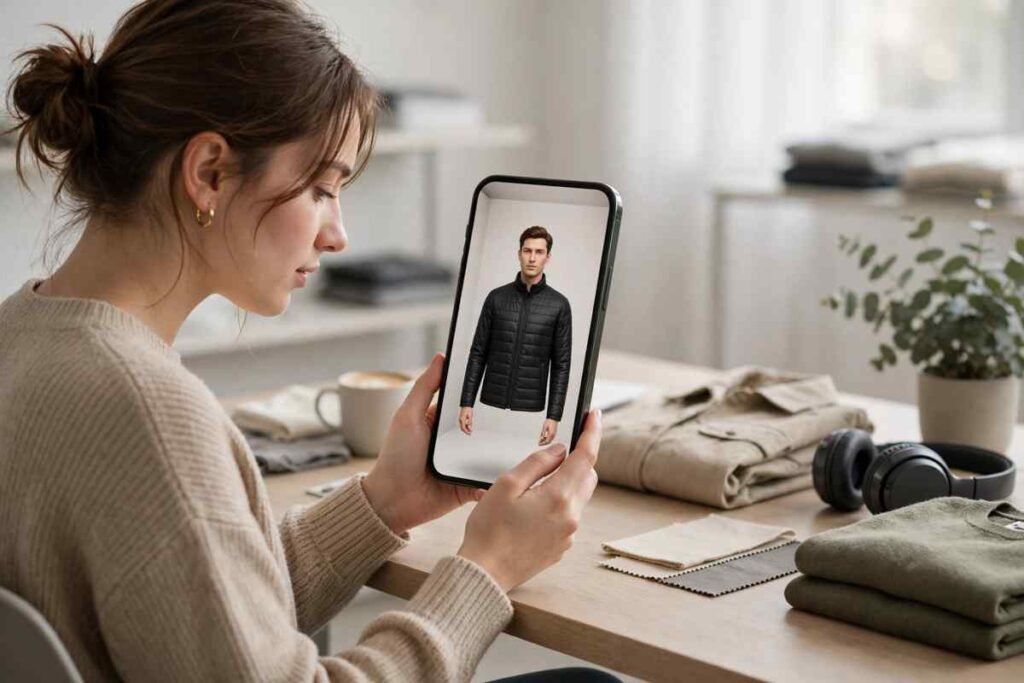
Image-based tools can show how a garment might look on a shopper. They can support styling decisions, but generated details require review, especially around prints, logos, layering, and body proportions.
Measurement-Based Recommendations
These tools compare shopper information with sizing data. They suit stores where customers struggle to choose between sizes, provided the underlying measurements are accurate.
Three-Dimensional Garment Simulation
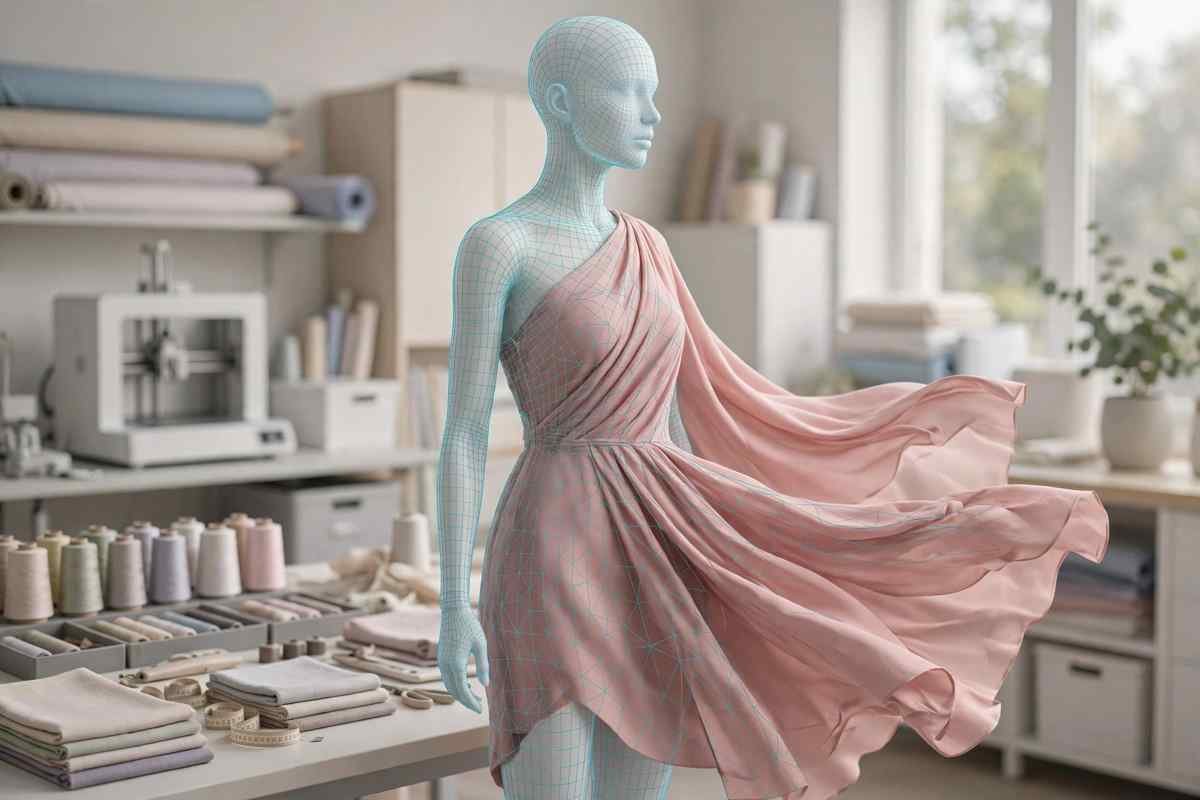
An avatar-based experience can illustrate garment shape and drape. However, building and maintaining suitable assets requires additional resources. Simulation quality depends on the body model, garment construction, and material inputs.
Prepare Your Garment Data Before Installation
Effective virtual fitting room integration in garments begins with a catalog audit. Each supported item needs a stable product identifier, correctly mapped variants, and dependable sizing information.
Record garment measurements separately from body measurements. A shirt’s finished chest measurement includes room around the wearer, so those numbers should not be treated as interchangeable.
Include measurement units, fabric composition, stretch characteristics, cut, and fit notes. For stores selling nationwide, make inches easy to find and explain international size conversions clearly.
Use consistent imagery that meets the provider’s requirements. Assign someone responsibility for checking new collections and correcting outdated assets.
Connect the Experience to Your Store

Select the Right Integration Method
An ecommerce app or plugin may suit a standard storefront. An embedded widget can provide another route, while an SDK or custom API connection offers more control over design and behavior.
Evaluate compatibility with your storefront, mobile experience, analytics, and catalog systems before committing.
Synchronize Products and Variants
Connect the fitting platform to the system that maintains product information. Updates should preserve the relationship between each garment, its colors, sizes, and supporting assets.
For example, a navy dress preview must remain linked to the navy dress’s actual purchasable variant. Decide how updates, deleted products, and synchronization failures will be handled.
Preserve Choices Through Checkout
Place the fitting feature near product images and size selection. When a customer finishes, carry their chosen color and size back to the product page.
Recheck availability before adding the item to the cart. If a variant sells out during the session, explain the change and offer available alternatives.
Test Real Shopping Conditions
A successful demonstration is only the beginning. Test different phones, browsers, connection speeds, body shapes, and garment categories.
Check whether customers can complete uploads, understand recommendations, change variants, and return to shopping without losing selections.
Review previews for altered patterns, distorted proportions, and misleading garment details. Provide a useful fallback when an image cannot be generated or a product lacks supported assets.
Keep size charts and measurement guidance accessible. Customers should still be able to purchase when they decline a photo upload or cannot complete the fitting process.
Plan Costs, Privacy, and Maintenance
Budget for subscriptions, usage charges, asset preparation, development, testing, and ongoing catalog work. Ask providers how costs change during holiday traffic spikes or collection launches.
Explain why photos or measurements are requested, how they are processed, and how customers can request deletion. Collect only information needed for the experience.
Assign clear operational ownership. Merchandising teams can maintain fit notes, developers can monitor connections, and customer support can flag confusing recommendations or recurring complaints.
Measure Results Beyond Try-On Clicks
Start with one category and record baseline performance. Track fitting engagement, completed sessions, conversion, size-related returns, and orders customers ultimately keep.
For virtual fitting room integration in garments, compare outcomes using a controlled test when practical. Shoppers who voluntarily try a feature may already be more interested in buying, which can distort simple comparisons.
Allow enough time for deliveries and returns before judging results. Include operating costs when assessing value, and investigate whether improvements vary by garment, size, or device.
Frequently Asked Questions
1. What is virtual fitting room integration in garments?
It connects clothing previews or sizing tools with an online store’s product data, variant selection, and purchasing flow.
2. Can virtual previews guarantee accurate fit?
No. Appearance previews and fit predictions have limitations. Clear measurements, reliable inputs, and realistic expectations remain essential.
3. How long does implementation take?
Timing depends on platform compatibility, catalog readiness, asset requirements, customization, and testing. Define the pilot scope before requesting an estimate.
4. Can smaller clothing stores benefit?
Potentially. Start with a limited category and evaluate whether improved shopping decisions justify setup and ongoing costs.
Final Thoughts
I would also treat launch day as the beginning of ongoing improvement. Every confusing size suggestion, failed preview, or abandoned session offers a chance to make shopping easier. Reviewing those patterns can help the team identify where customers need clearer guidance.
My priority would be to build trust through accurate product information and realistic expectations. As new collections arrive, I would keep testing the experience so shoppers can move from browsing to checkout with greater confidence.


One thought on “Virtual Fitting Room Integration in Garments: Get Fit Right”