
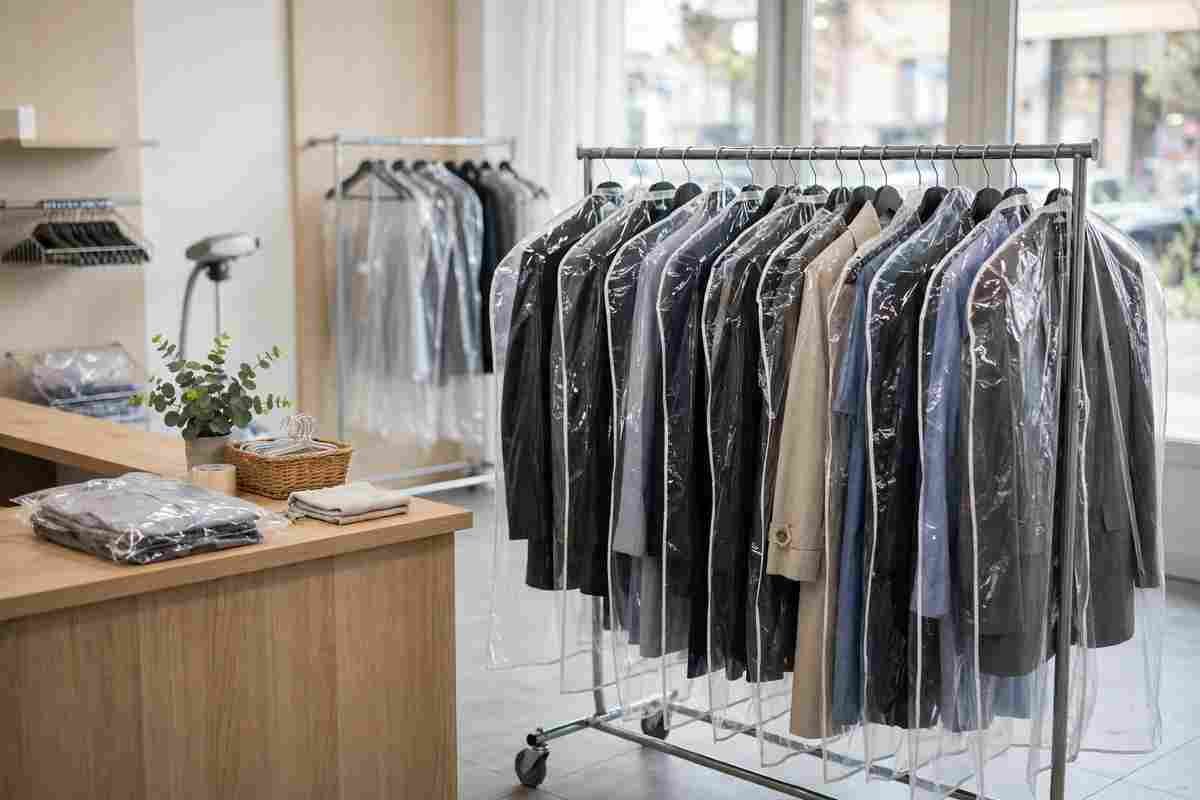
I know how frustrating it feels to reach for a favorite jacket before a meeting and discover it still needs cleaning. Remembering every wash, repair, and dry-cleaning pickup becomes another task competing for attention. That is where automated garment care reminders can help.
A useful system connects clothing details with practical notifications. It remembers what needs attention, prompts the right action, and records completion. Whether you manage a family wardrobe, a fashion business, or rental inventory, the goal is simple: keep garments ready without creating unnecessary work.
What Are Garment Care Reminders?
Garment care reminders are scheduled or event-triggered notifications for clothing maintenance. They can prompt washing, ironing, repairs, professional cleaning, pickup, or seasonal storage.
A basic reminder repeats on a calendar. A more detailed workflow checks information such as the last completed task, recorded wears, or an upcoming event before sending an alert.
These systems depend on accurate inputs. A calendar notification does not automatically know that a washer has finished or a coat has been cleaned. Someone must update the record unless a supported integration supplies that information.
Start With Accurate Garment Information
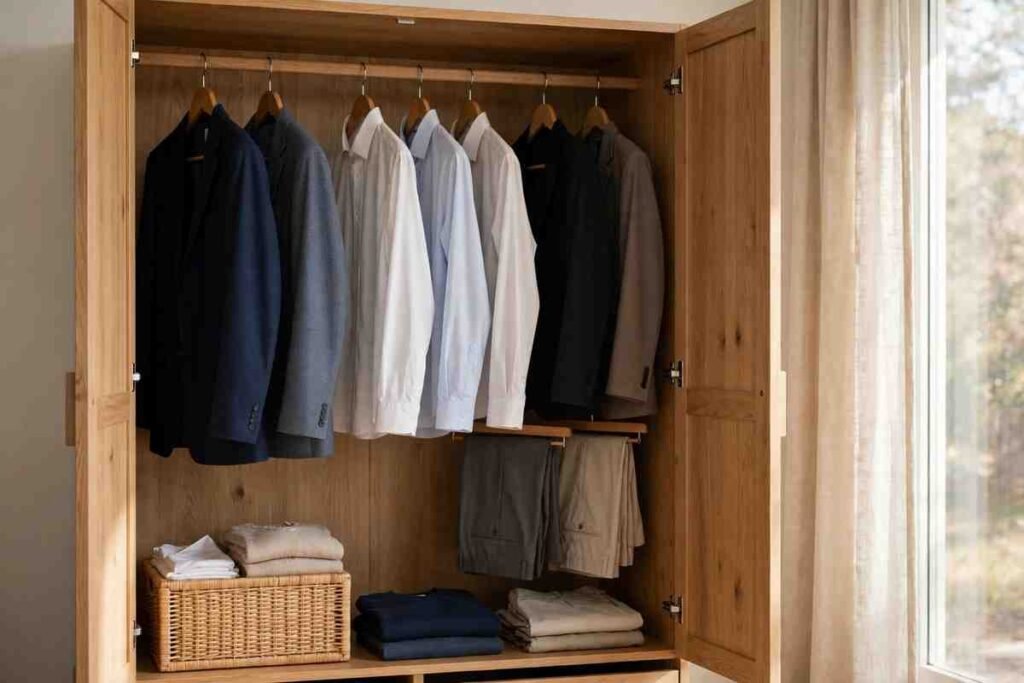
Before choosing software, decide what each clothing record should contain. Start with an item name, garment category, care instructions, current status, and last completed care task.
Save the Original Care Instructions
Photograph the label and record any special handling requirements. Keep those instructions attached to the garment so they remain available when someone receives a reminder.
Avoid assuming that every wool sweater, silk blouse, or cotton shirt needs identical treatment. Construction, finishes, and manufacturer instructions can differ.
If a label is unreadable or missing, flag the item for review. An automated workflow should request clarification rather than invent washing instructions.
Use Clear Status Labels
Simple statuses make updates easier: ready to wear, awaiting care, at the cleaner, needs repair, and stored.
For shared households or businesses, assign an owner to each task. A reminder becomes more actionable when someone knows they are responsible for completing it.
Choose the Right Reminder Trigger
The strongest automated garment care reminders use triggers suited to the task. Applying the same weekly schedule to every item can produce irrelevant alerts and unnecessary cleaning.
Calendar-Based Triggers
Calendar reminders work well for planned activities such as checking stored winter clothing, collecting dry cleaning, or reviewing a repair backlog. For retailers, virtual fitting room integration in garments can complement these routines by helping shoppers assess clothing before purchase.
Schedule these around actual routines. For example, a pickup reminder could appear before your usual trip past the cleaner instead of arriving during a busy workday.
Wear-Based Triggers
Wear-based workflows rely on logged use. After a chosen threshold, the system can ask you to inspect the garment and decide whether care is needed.
Treat that threshold as a customizable prompt. Activity, visible soil, odors, and care instructions still influence the appropriate action. Recording a wear should not automatically order a wash.
Event-Based Triggers
An upcoming wedding, business trip, or school performance can trigger a readiness check.
Build in enough lead time for cleaning, transportation, and repairs. A reminder the evening before departure offers little help when professional care takes several days.
Connect Clothing Records With Notifications
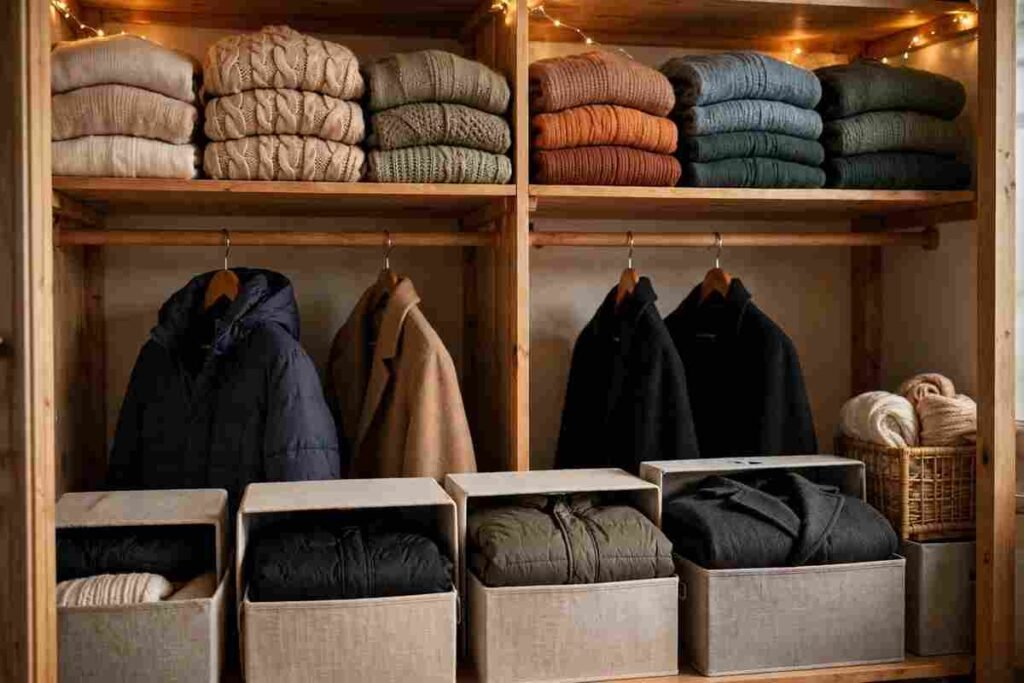
A practical setup needs somewhere to store garment information, a way to evaluate due tasks, and a channel for delivering reminders.
For a personal wardrobe, a task app or digital closet may be sufficient. A fashion retailer or rental operation may need connected inventory records and workflow automation.
Check available capabilities before selecting tools. An app that stores clothing photos may not support scheduled notifications, data exports, or external integrations.
Map the Essential Fields
When connecting applications, match each garment’s unique identifier, task type, due date, status, and responsible person.
Use a stable identifier rather than relying only on names. Two records called “black blazer” can otherwise become confused during synchronization.
Make Every Message Actionable
A useful notification identifies the item and next step: “Collect navy suit from cleaner Thursday afternoon.”
Where supported, include actions to complete, snooze, or reassign the task. Keep sensitive customer details out of notifications that might appear on a shared lock screen.
Prevent Duplicate Alerts and Missed Updates
Repeated notifications quickly become background noise. Before sending an alert, check whether the task remains open and whether a recent reminder already exists.
When someone marks care complete, record the completion date and close the current task. Calculate any future reminder from the relevant rule.
For connected systems, account for repeated synchronization events. The same update should not create several identical tasks.
Also plan for failures. If a notification cannot be delivered, keep the task visible in the dashboard. For shared operations, a daily review of unresolved tasks can catch problems that individual alerts miss.
Test a Small Workflow First
Start with a few garments and one notification channel.
Run through the complete process: create a task, receive the reminder, snooze it, complete it, and confirm that further alerts stop.
Test missing instructions, changed due dates, and unavailable recipients. If an apparel manufacturer supplies updated care guidance, confirm that it appears in the garment record. For households spanning different time zones, check that notifications arrive at the intended local time.
Once the workflow behaves reliably, expand gradually. Useful measures include completed tasks, duplicate alerts, delivery failures, and overdue items. These reveal whether automation actually reduces effort.
Frequently Asked Questions
1. Can automated garment care reminders work without a smart washer?
Yes. Calendar and wardrobe apps can deliver scheduled prompts independently. Detecting machine completion requires a compatible appliance or another supported monitoring method.
2. Does every garment follow a fixed cleaning schedule?
No. Use garment instructions and actual condition to guide care. A reminder can prompt inspection instead of automatically recommending cleaning.
3. Which notification channel works best?
Choose the channel people already check. Personal app notifications may suit households, while assigned tasks or email may fit shared business workflows.
Keep Your Wardrobe Ready
I would start with the clothing I most often need unexpectedly: work outfits, occasion wear, and seasonal essentials. A few accurate records and useful prompts can make those items easier to manage.
The real value comes from closing the loop. When reminders lead to completed tasks and updated records, clothing care becomes easier to trust—and much harder to forget.



One thought on “Automated Garment Care Reminders: A Smarter Clothing Routine”