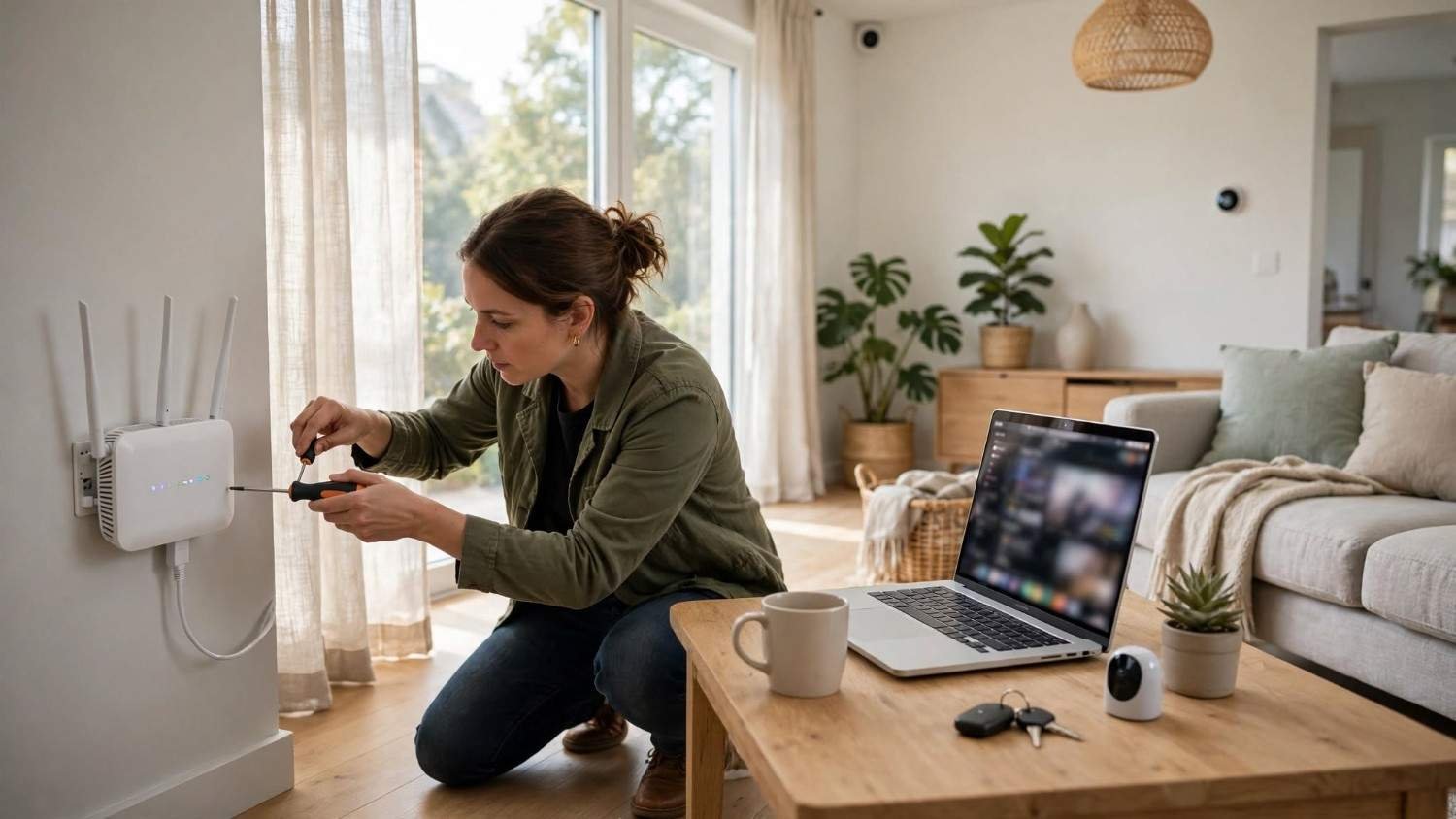

Imagine adjusting your thermostat, opening your blinds, or answering your front door without moving across the room. For someone living with a disability, these everyday conveniences can make a meaningful difference.
I’ve always believed technology should remove obstacles rather than create new ones. That’s why smart home technology for people with disabilities is becoming an important part of accessible living. From voice assistants to intelligent safety sensors, connected devices can make homes safer, more comfortable, and easier to manage.
The biggest advantage? Many accessibility improvements are possible without expensive structural renovations. The secret is choosing devices that match individual abilities, preferences, and daily routines.
How Does Smart Home Technology Improve Independent Living?
Accessible smart home devices allow residents to manage household activities through voice commands, smartphones, adaptive switches, or automated schedules.
For people with mobility limitations, automation reduces the need to operate difficult switches or reach inaccessible controls. Individuals with visual or hearing impairments can use alternative notifications to interact with their surroundings.
Research published in JMIR Rehabilitation and Assistive Technologies suggests that personalized smart home interventions can improve functional independence for individuals with complex physical disabilities.
However, successful assistive technology for independent living depends on matching features to the user’s actual needs.
What Are the Best Smart Home Devices for People With Physical Disabilities?
People with limited mobility often face difficulties operating traditional locks, switches, and household appliances. Fortunately, several connected devices can simplify these activities.
Can Voice Assistants Control Household Devices Hands-Free?
Amazon Echo and Google Nest speakers can serve as central controls for compatible smart home systems.
Users can adjust lighting, manage temperature settings, or activate household routines through spoken commands.
Someone with restricted hand movement might say a simple command to turn off bedroom lights instead of reaching across the room.
However, voice commands aren’t suitable for everyone. Adaptive switches, accessible smartphone controls, and preprogrammed automation provide alternatives for users with speech limitations.
How Do Smart Locks and Video Doorbells Improve Accessibility?
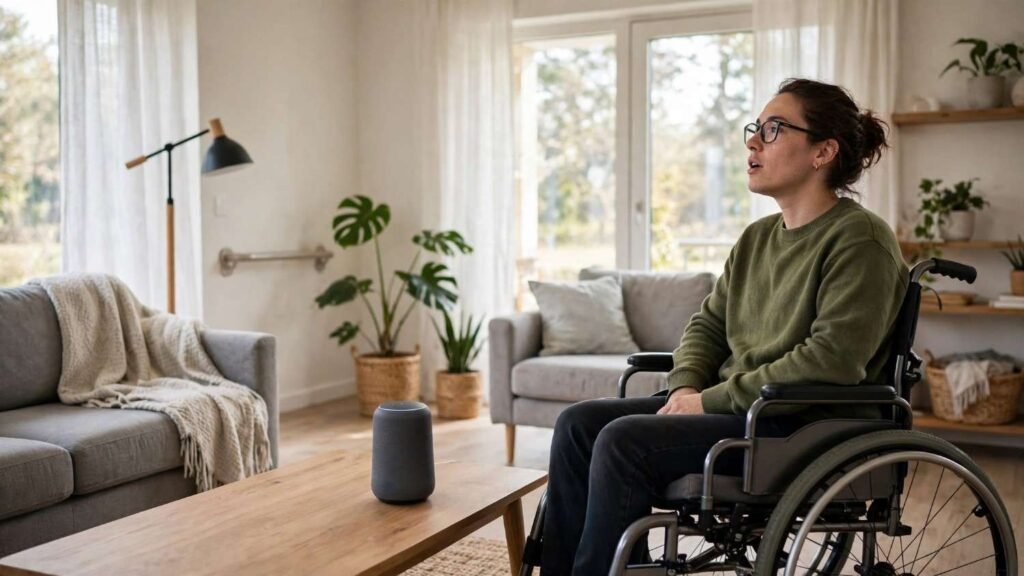
Smart locks such as Schlage Encode offer keyless entry options that can reduce dependence on traditional keys.
Video doorbells, including compatible Ring models, allow residents to view and communicate with visitors remotely.
Smart locks don’t necessarily open the door physically, so individuals who need hands-free door movement may also require an automated door opener.
Can Smart Thermostats and Automated Blinds Improve Comfort?
Devices such as Ecobee and Google Nest thermostats let residents adjust indoor temperatures through compatible apps, schedules, or voice controls.
Motorized blinds reduce the need to reach windows, while smart plugs can remotely control suitable electrical devices.
Together, these smart home automation solutions can improve convenience and reduce unnecessary physical effort.
Which Smart Home Devices Help People With Visual Impairments?
Smart home technology for visually impaired people focuses on audio feedback, accessible navigation, and adjustable environmental controls.
How Do Smart Displays and Screen Readers Improve Accessibility?
Compatible Amazon Echo Show devices offer accessibility features that can help users identify supported objects or products through audio descriptions.
Smartphone screen readers such as Apple’s VoiceOver and Android’s TalkBack enable users to navigate supported smart home apps through spoken feedback.
These features can make temperature adjustments, reminders, and device management more accessible without depending on visual controls.
Can Smart Lighting Help People With Low Vision?
Philips Hue and similar adjustable lighting systems allow users to customize brightness, color, and schedules.
Consistent lighting may improve visibility in hallways, kitchens, and bedrooms. Motion sensors can also illuminate frequently used spaces automatically.
Lighting preferences vary, making customizable settings particularly valuable.
What Smart Home Technology Works Best for Deaf and Hard-of-Hearing People?
Accessible homes should communicate important information through more than sound.
How Do Flashing Alerts and Vibrating Alarms Work?
Compatible smart doorbells can trigger visual notifications when visitors arrive.
Specialized alerting systems can also use flashing lights, vibrating bed shakers, or wearable notifications to communicate emergencies.
For nighttime protection, choose smoke and carbon monoxide alerting equipment specifically designed and certified for the intended safety application.
Can Smart Displays Provide Real-Time Captions?
Supported tablets, televisions, and communication platforms offer live captions or subtitles for conversations and entertainment.
These features help people who are Deaf or hard of hearing access information without relying exclusively on audio.
How Can Smart Home Automation Support Cognitive Disabilities?
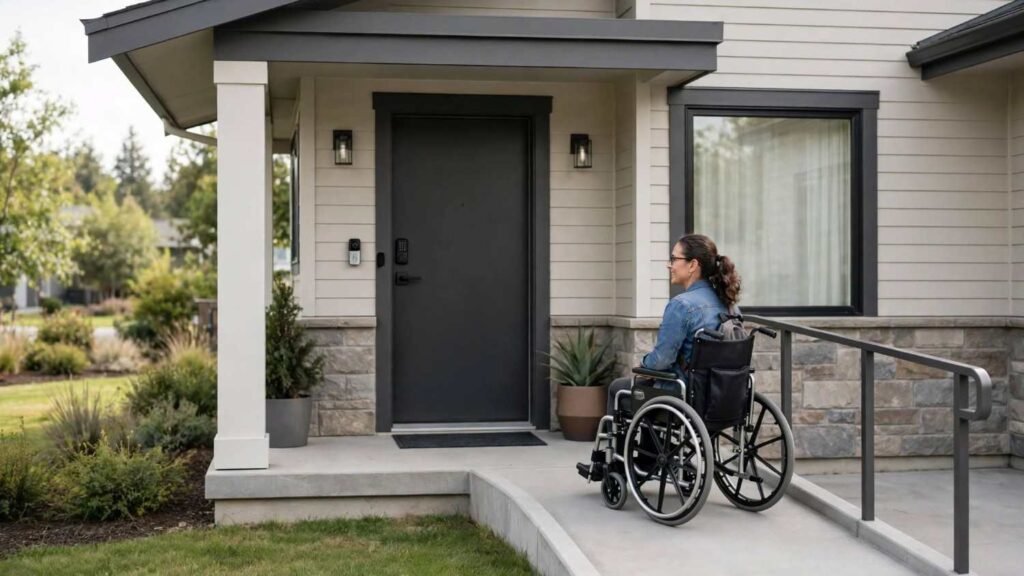
For individuals with cognitive disabilities, neurodivergent needs, or memory challenges, predictable routines can simplify daily activities.
Can Automated Routines Reduce Everyday Stress?
Smart home systems can combine several actions into one scheduled routine.
For example, an evening automation might dim bedroom lights, adjust the thermostat, and lock compatible doors.
Voice reminders can also support appointments, household responsibilities, and daily schedules.
Which Smart Devices Improve Memory and Household Safety?
Automated medication dispensers, water leak sensors, and suitable appliance-monitoring systems can provide additional support.
Some connected devices can send caregiver notifications when assistance may be necessary, provided the resident agrees to that arrangement.
These technologies support routines but shouldn’t replace necessary personal assistance or medical supervision.
How Do You Set Up an Accessible Smart Home on a Budget?
Creating an accessible home doesn’t have to begin with expensive equipment. I recommend approaching smart home technology for people with disabilities as a personalized improvement project rather than a complete household makeover.
Step 1: Identify Your Biggest Accessibility Challenges
Start by identifying daily tasks that require unnecessary effort. Prioritize practical improvements such as easier lighting controls, door access, or emergency notifications.
Step 2: Choose a Compatible Smart Home Platform
Compare Apple Home, Amazon Alexa, and Google Home according to your preferred controls and existing devices.
Look for Matter-compatible products when possible, but verify accessibility features and individual device compatibility before purchasing.
Step 3: Consult an Assistive Technology Professional
Complex accessibility requirements may benefit from professional guidance.
The Rehabilitation Engineering and Assistive Technology Society of North America (RESNA) provides information about qualified Assistive Technology Professionals who can help evaluate individual needs.
Step 4: Explore Financial Assistance Programs
State Assistive Technology Act programs across the United States may offer equipment demonstrations, device lending, reuse opportunities, or financing assistance.
The AT3 Center’s state program directory can help residents locate available services. Funding and eligibility vary by state.
How Can You Keep an Accessible Smart Home Safe and Reliable?
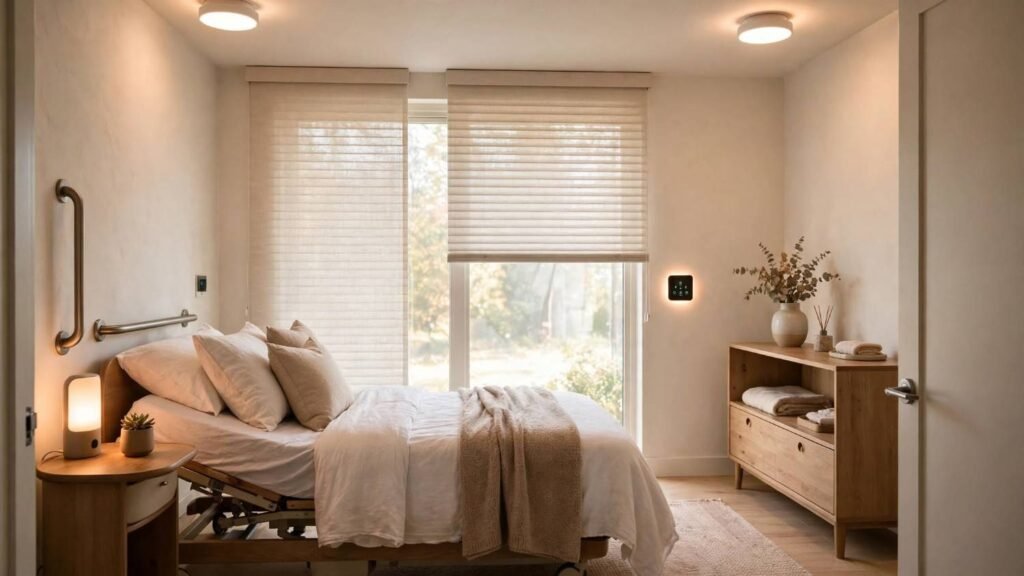
Smart home security deserves as much attention as convenience.
Choose reputable devices, update software regularly, use strong passwords, and enable multifactor authentication when available.
Review camera permissions and caregiver access carefully to protect personal privacy.
For critical household functions, maintain manual controls and emergency backups. Internet outages or power failures shouldn’t leave someone unable to access essential areas or safety equipment.
Frequently Asked Questions (FAQs)
1. What Is the Best Smart Home Technology for People With Disabilities?
The best smart home technology for people with disabilities depends on individual needs. Voice assistants, smart locks, adjustable lighting, accessible notifications, and automated routines can support different aspects of independent living.
2. Can Smart Home Devices Help Wheelchair Users Live Independently?
Yes. Compatible smart locks, motorized blinds, automated lighting, and accessible thermostats can reduce the need to reach difficult controls and simplify daily household activities.
3. Do Smart Home Devices Work Without Internet Access?
Some devices support local automation or manual operation without internet connectivity. Others require an active connection for voice commands, remote access, or cloud-based features.
4. Are Accessible Smart Home Devices Expensive?
Not always. Smart bulbs, plugs, and motion sensors provide relatively affordable starting points. More specialized equipment may cost more, although some state programs offer device trials or financial assistance.
Creating a Home That Supports Everyday Independence
I believe an accessible home should respond to the people living in it, not require them to constantly adjust their routines around physical barriers.
Whether it’s a voice-controlled light, a vibrating emergency alert, or a customized daily schedule, small technological improvements can provide meaningful benefits. Smart lighting and automated nighttime routines can also complement the best bedtime habits for adults with irregular sleep schedules, creating a more comfortable and predictable environment for rest.
The most effective approach starts with personal needs, reliable equipment, and simple controls. When chosen thoughtfully, smart home devices can turn everyday challenges into manageable routines while supporting greater independence, safety, and peace of mind.