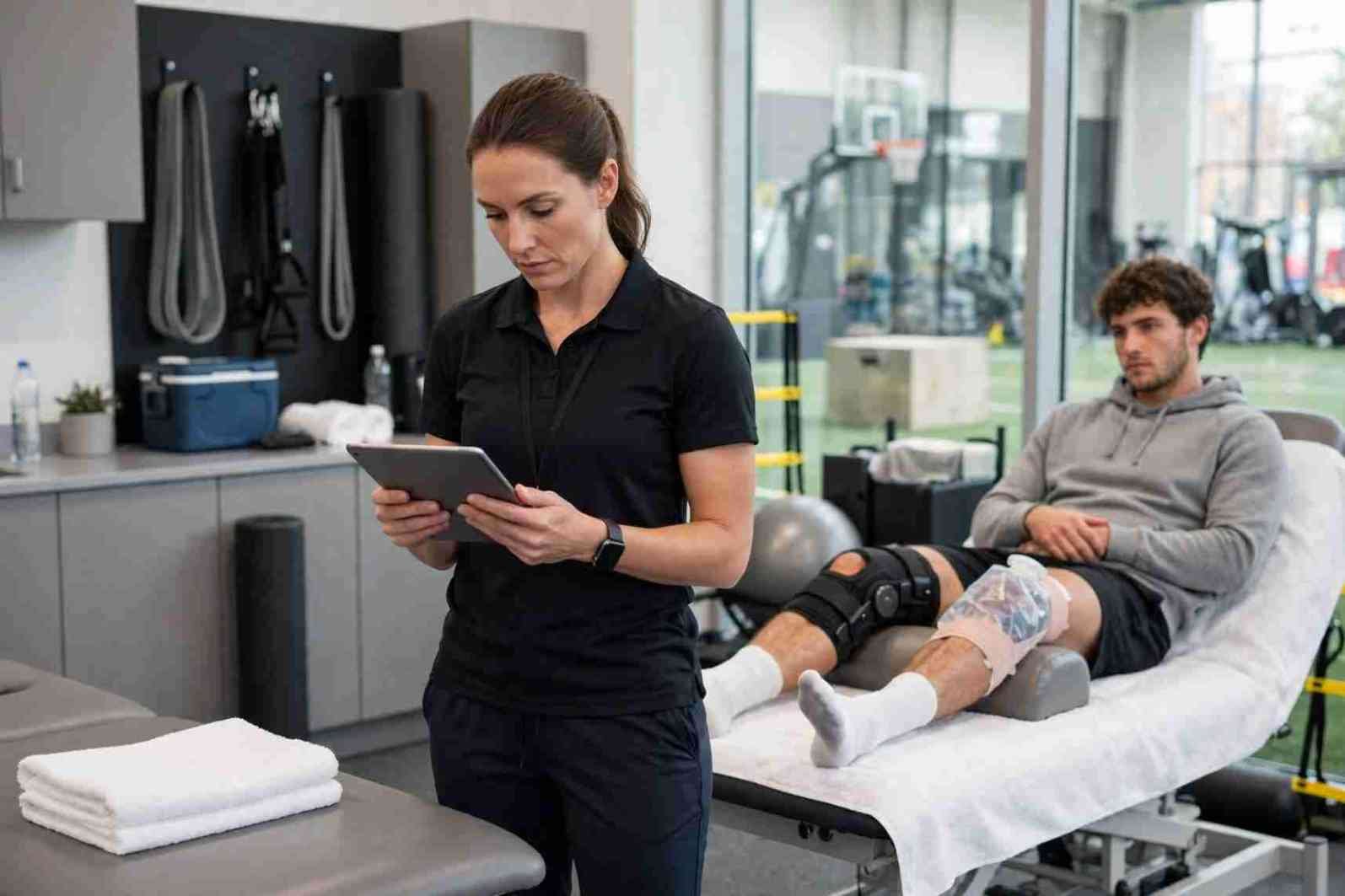
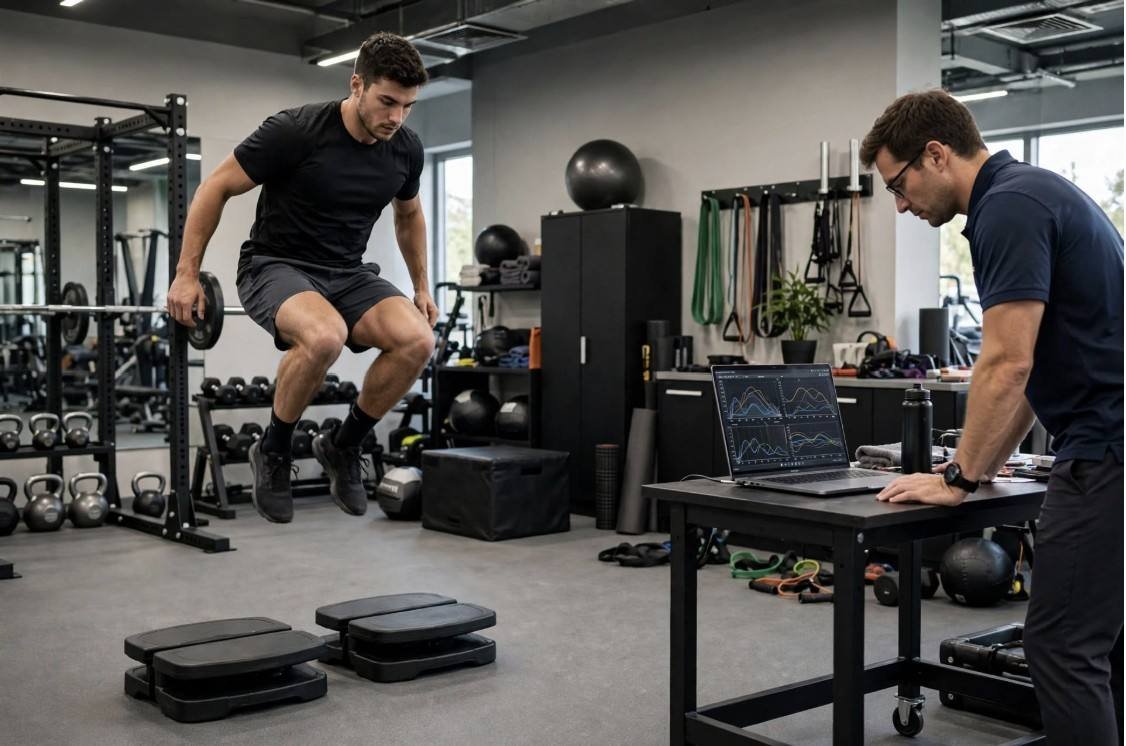
Modern sports organizations collect enormous amounts of information through wearable devices, GPS trackers, recovery assessments, and athlete monitoring software. However, when these systems operate independently, coaches often struggle to turn valuable measurements into actionable decisions.
I’ve found that athlete performance data integration offers a practical solution by connecting different technologies within a centralized Athlete Management System (AMS). Combined with sports scheduling automation, these connections help teams coordinate training intensity, recovery periods, practice schedules, and athlete availability.
For professional franchises, college athletic departments, and performance facilities across the United States, this approach creates opportunities to improve decision-making while reducing manual administrative work.
What Is Athlete Performance Data Integration and How Does It Work?
Athlete data integration connects multiple performance monitoring technologies so they can exchange information through APIs, cloud platforms, and automated synchronization tools.
A centralized athlete management system can combine GPS measurements, electronic health records, biomechanical assessments, sleep information, and subjective wellness reports.
Instead of manually reviewing several applications, authorized coaches and sports scientists can access relevant information through centralized performance dashboards.
For example, a college football program might combine wearable GPS data with strength testing and recovery assessments. The integrated platform can help staff identify workload changes, review athlete readiness, and coordinate individualized training plans.
What Types of Athlete Performance Data Can Sports Teams Integrate?
Successful athlete performance data management requires information from different monitoring technologies. Each source provides a different perspective on physical activity, recovery, and training adaptation.
How Do GPS Wearables Track Athletic Performance?
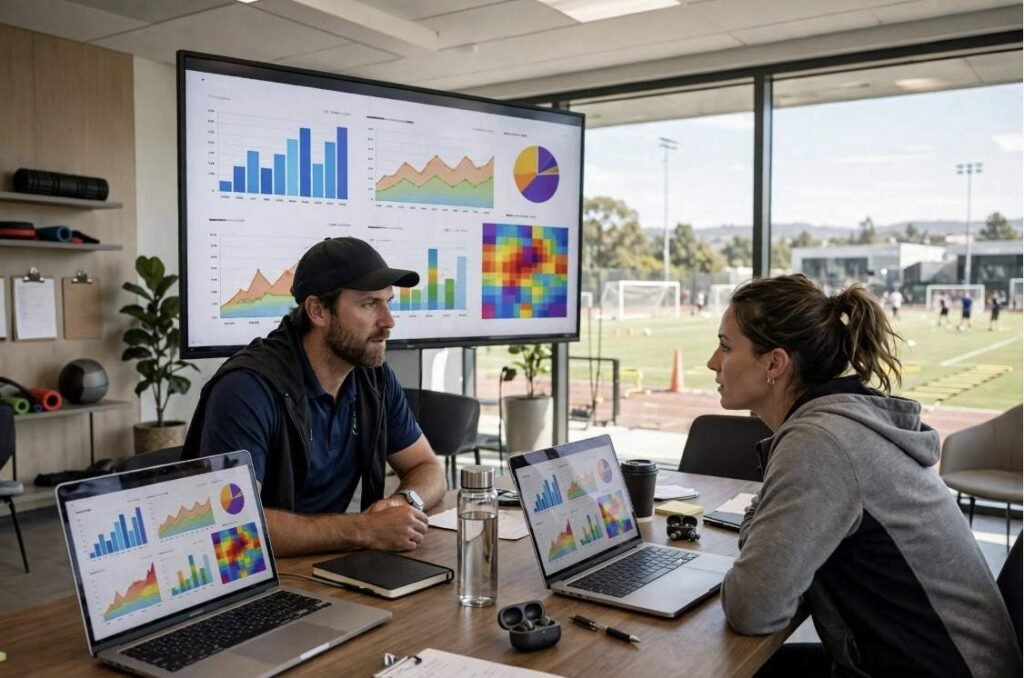
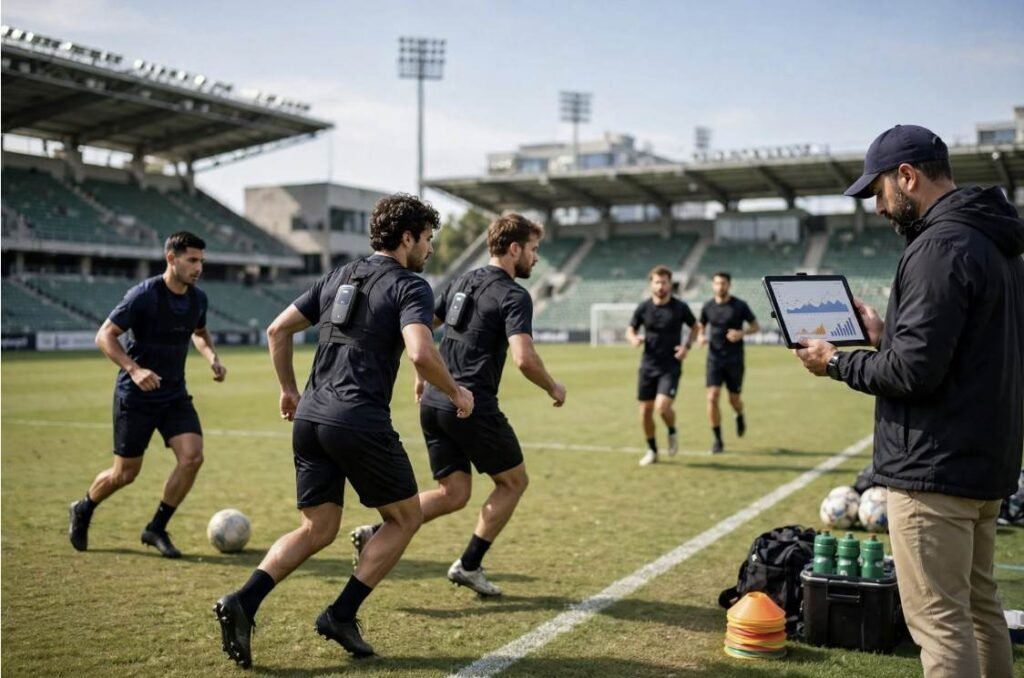
Wearable microtechnology captures external workload measurements, including total distance, sprint counts, acceleration profiles, running speed, and estimated metabolic power.
Platforms such as Catapult and GPSports technologies help performance departments monitor training demands across practices and competitions.
GPS tracking data integration allows these measurements to enter broader athlete monitoring systems, where coaches can compare individual workloads and training history.
How Do Heart Rate and Sleep Metrics Measure Recovery?
Internal workload monitoring examines physiological responses rather than movement alone.
Heart rate variability (HRV), resting heart rate, and sleep measurements can provide context about recovery and physiological stress.
Consumer devices such as Oura and WHOOP collect relevant wellness information, although availability and integration capabilities vary by platform.
Teams may also monitor acute-to-chronic workload ratios (ACWR) to examine changes between recent and longer-term training demands.
Why Are Force Plates and Biomechanical Assessments Important?
Dual force plates measure jump height, force output, rate of force development (RFD), and differences between limbs.
These biomechanical measurements help strength coaches and rehabilitation professionals evaluate movement characteristics and track changes in physical performance.
Force output asymmetries may warrant further assessment, but they do not independently establish injury or neuromuscular fatigue.
What Role Do Athlete Wellness Surveys Play?
Subjective wellness questionnaires capture information that wearable sensors cannot fully explain.
Athletes report muscle soreness, mental stress, sleep quality, fatigue, and ratings of perceived exertion (RPE).
Combining these responses with objective measurements helps coaches better understand individual training experiences.
How Can Athlete Performance Data Improve Sports Scheduling Automation?
Sports scheduling automation connects performance monitoring with everyday team operations.
Instead of maintaining separate training calendars and monitoring spreadsheets, organizations can configure workflows that flag relevant changes and recommend adjustments for staff approval.
How Can Training Load Indicators Trigger Schedule Adjustments?
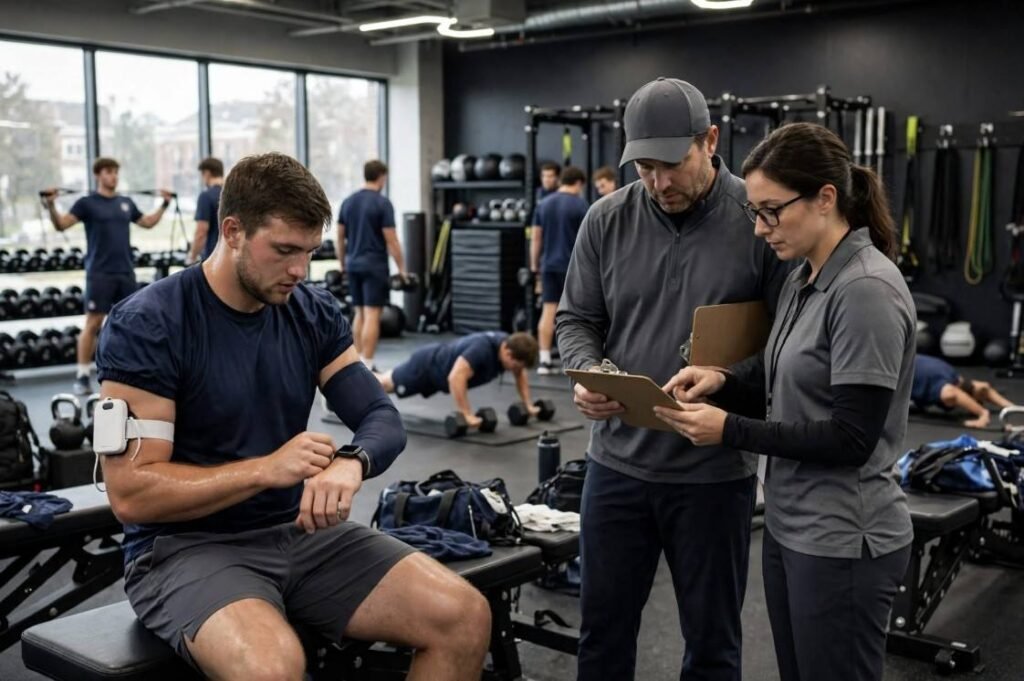
Consider an athlete whose ACWR rises above 1.5. This may indicate a substantial increase in recent workload, depending on the calculation method and individual context.
The monitoring platform could generate an alert recommending a workload review, shorter practice duration, or a potential deload day.
However, ACWR is not a universally reliable injury predictor, and a specific threshold should never automatically determine participation.
Can Force Asymmetry Change Individual Training Plans?
Suppose force plate testing identifies a meaningful change in an athlete’s usual left-to-right force production.
An integrated system could notify rehabilitation and performance staff and suggest replacing a demanding field session with an individualized, lower-impact gym session.
Qualified staff should assess the measurements before approving the adjustment.
How Can Poor Sleep and HRV Affect Practice Scheduling?
When an athlete reports poor sleep alongside suppressed HRV, automated athlete monitoring software can flag the combination for review.
Coaches may consider modifying training volume, adjusting recovery windows, or rescheduling an intensive session.
Such workflows support responsive training schedules without treating individual recovery metrics as definitive medical conclusions.
How Do You Connect Athlete Monitoring Software Through APIs?
Sports performance API integration enables compatible platforms to exchange information without repetitive manual exports.
I recommend starting by identifying the devices, databases, and applications that need to communicate.
Next, establish secure API authentication and map common athlete identifiers, timestamps, and measurement units.
Data normalization is essential because platforms may record distances, workload measurements, and session information differently.
Automated data synchronization can then transfer verified records into a centralized dashboard. Incorporating sports ticketing system integration can further connect event attendance, ticket sales, and fan engagement data with broader organizational analytics.
Reliable sports analytics data pipelines should also include error monitoring, duplicate detection, encryption, and role-based access controls.
For American sports organizations handling sensitive medical information, privacy responsibilities depend on the organization, the data, and applicable laws.
Which Athlete Management Platforms Support Performance Integration?
Several established sports technology providers offer capabilities for connecting performance information.
Kitman Labs
Kitman Labs provides an intelligence platform combining performance monitoring, medical records, athlete development, reporting, and scheduling. Its integrated operational tools help organizations coordinate information across departments.
Teamworks AMS (Formerly Smartabase)
Teamworks AMS, previously known as Smartabase, provides customizable athlete management workflows, medical documentation, wellness monitoring, and performance analytics.
Its integration capabilities support data sharing across connected sports technology systems and the broader Teamworks ecosystem.
Catapult Sports
Catapult combines GPS-based wearable monitoring with performance analytics and video analysis.
Its integration capabilities help organizations connect physical workload measurements with athlete management systems and contextual video information.
Zone7 by svexa
Zone7, part of svexa, uses AI-assisted analysis of performance and medical data to support injury-risk forecasting and individualized workload recommendations.
These recommendations require professional interpretation rather than automatic medical or participation decisions.
What Are the Biggest Challenges in Integrating Sports Performance Systems?
Different software platforms may use incompatible data formats, restricted APIs, or inconsistent athlete identifiers. These challenges can also affect sports team scheduling automation, particularly when scheduling tools rely on data from multiple connected systems.
Missing measurements, synchronization delays, and duplicate records can also compromise reporting accuracy.
Organizations should evaluate vendor compatibility, integration costs, data security, and ongoing maintenance before implementation.
I recommend beginning with a limited integration project, validating the transferred data, and expanding only after the workflow demonstrates reliable results.
Frequently Asked Questions (FAQs)
1. What Is the Main Benefit of Athlete Performance Data Integration?
The primary benefit is centralized access to performance information. Teams can connect monitoring systems, reduce manual reporting, and support more informed training and scheduling decisions.
2. Can Athlete Monitoring Software Automatically Adjust Practice Schedules?
Compatible systems can generate alerts and recommend adjustments based on configured performance indicators. Coaches and medical professionals should approve important changes before implementation.
3. How Does GPS Tracking Improve Athlete Workload Management?
GPS tracking measures movement demands such as distance, speed, and acceleration, helping coaches evaluate training intensity and compare workloads over time.
4. Can AI Predict Athlete Injuries Accurately?
AI can identify patterns associated with injury risk, but predictions remain uncertain. Coaches should combine automated assessments with clinical expertise and individual athlete information.
Final Thoughts: Building Smarter Sports Performance Workflows
I believe the greatest value of modern sports technology comes from connecting information with meaningful operational decisions.
Athlete performance data integration helps organizations bring wearable monitoring, recovery assessments, biomechanical testing, and scheduling workflows into a more coordinated environment.
By combining secure APIs, reliable data synchronization, centralized athlete management, and appropriately supervised automation, sports teams can improve reporting efficiency and make more informed training decisions. Effective sports management software integration further strengthens these capabilities by connecting essential tools and simplifying administrative workflows.
For organizations investing in sports analytics and custom workflow solutions, building a connected performance ecosystem is an important step toward more efficient athlete management.