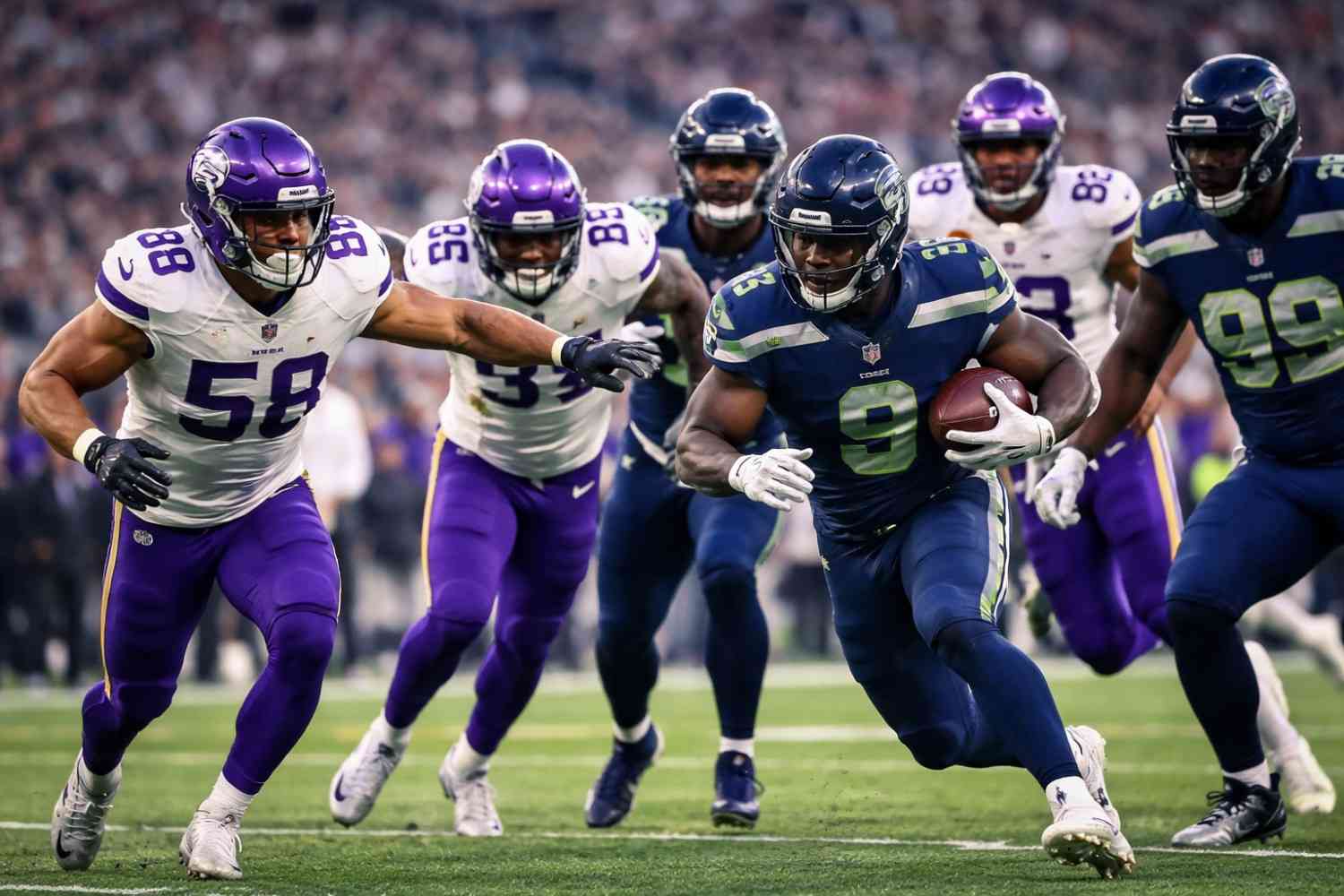
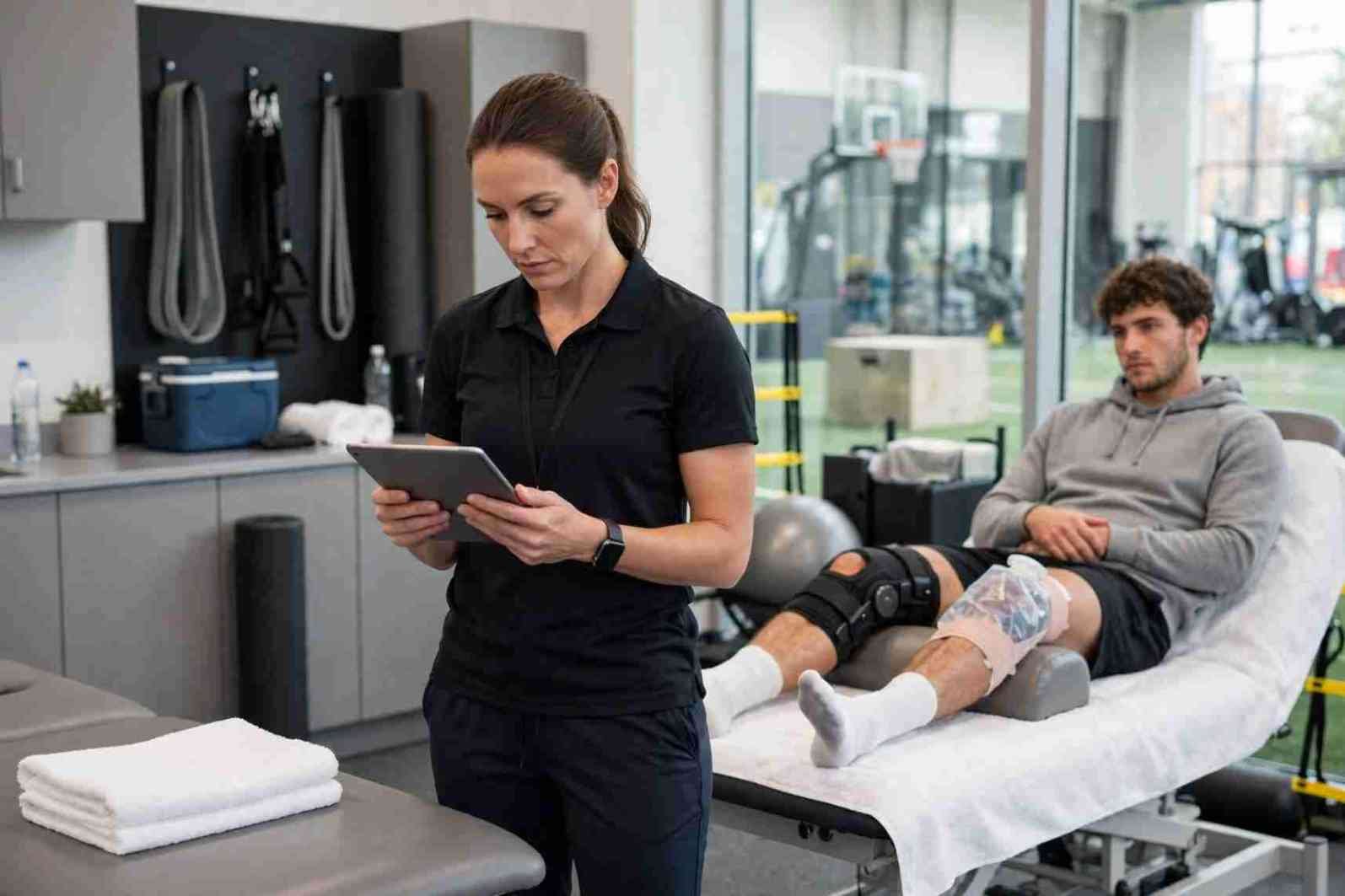
Managing an injured athlete should not involve endless phone calls, missed training updates, or conflicting facility reservations. Yet many US athletic programs still manage medical records, team schedules, and rehabilitation appointments through separate systems.
I believe athlete injury tracking integration offers a smarter approach by connecting injury management software with sports facility booking automation. When an athlete’s medical clearance changes, a properly configured system can adjust their booking permissions, recommend appropriate rehabilitation facilities, and notify relevant staff.
For high schools, colleges, professional teams, and private sports facilities, this approach can improve scheduling efficiency while keeping athlete safety central to daily operations.
What Is Athlete Injury Tracking Integration?
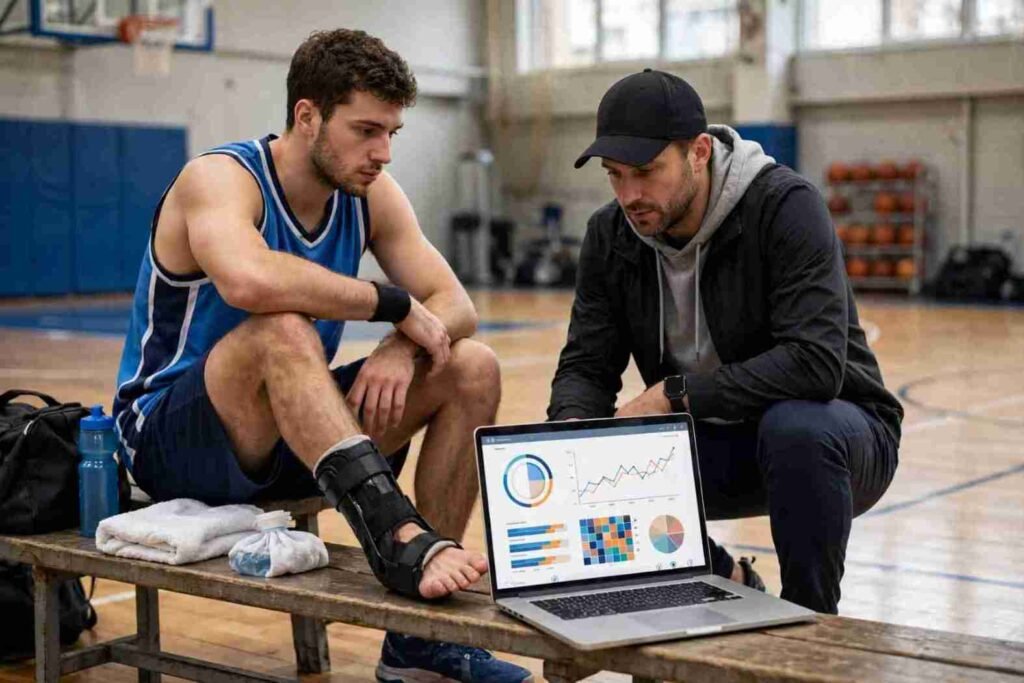
Athlete injury tracking connects medical records, training information, and rehabilitation progress through an Athlete Management System (AMS). When integrated with sports facility scheduling software, this information can also influence access to courts, fields, training centers, and recovery spaces.
For example, an injured basketball player might lose access to competitive court reservations while retaining permission to schedule physical therapy sessions.
The system relies on medical clearance information rather than simply assuming an athlete is healthy because a facility is available.
Platforms such as AthleteMonitoring support injury surveillance and athlete availability monitoring, while Kitman Labs provides connected sports performance and health data capabilities.
However, automated booking restrictions require compatible scheduling software and specifically configured integration rules.
How Does Athlete Injury Tracking Work With Sports Facility Booking Automation?
The integration creates a connection between an athlete’s medical participation status and the facility’s reservation system.
Connecting medical participation records with sports facility booking automation allows athletic programs to coordinate reservation availability, facility access, and training schedules through a more streamlined workflow.
Step 1: How Are Athlete Injuries Recorded and Updated?
When an athlete suffers an injury, an authorized medical professional documents the incident in an athlete injury monitoring software platform or sports medicine electronic medical record (EMR).
The medical team assigns a participation status such as Restricted, Modified Training, or Out, depending on the system’s supported classifications.
An athlete with a minor ankle injury might receive modified training permissions, while someone recovering from surgery may be unavailable for competitive activities.
These updates become the foundation for automated scheduling decisions.
Step 2: How Does Injury Status Reach the Booking System?
The AMS exchanges permitted information with the facility scheduling platform through an application programming interface (API), native integration, or secure data transfer.
REST APIs can synchronize athlete availability records, while webhooks can notify connected applications when supported status changes occur.
For instance, an athlete marked Out could trigger a booking eligibility update without exposing their diagnosis to facility administrators.
I recommend assigning a consistent athlete identifier across both systems to prevent duplicate profiles and incorrect booking restrictions.
Step 3: Can Injured Athletes Be Automatically Restricted From Training?
Yes, when the booking software supports configurable eligibility rules.
An athlete marked Out can be blocked from reserving competitive sessions or high-intensity training facilities.
The system may also release individual recurring reservations, allowing unused courts or fields to become available to other members.
However, shared team bookings should remain active unless an authorized administrator approves changes.
Athletes assigned Modified Training can retain access to approved low-impact activities while restricted from sessions outside their medical clearance.
Step 4: How Are Rehabilitation Spaces Automatically Reserved?
Integrated sports injury management systems can help coordinate treatment appointments with available facility resources.
For example, an injured soccer player might receive an approved reservation for a physiotherapy room, hydrotherapy pool, or low-impact gym area instead of a full-intensity field session.
Athlete rehabilitation tracking software can record completed appointments, recovery milestones, and functional assessments.
The booking platform can also send SMS or email reminders for upcoming rehabilitation sessions, provided the organization uses appropriate communication permissions and privacy safeguards.
Step 5: When Are Full Booking Privileges Restored?
Once an authorized medical professional confirms Full Clearance, the AMS can update the athlete’s participation eligibility.
A connected booking platform may then restore access to courts, turf fields, and competitive training sessions.
Importantly, automation must never independently determine medical readiness. Qualified healthcare professionals remain responsible for return-to-play decisions.
Which Technologies Make Sports Injury Tracking More Effective?
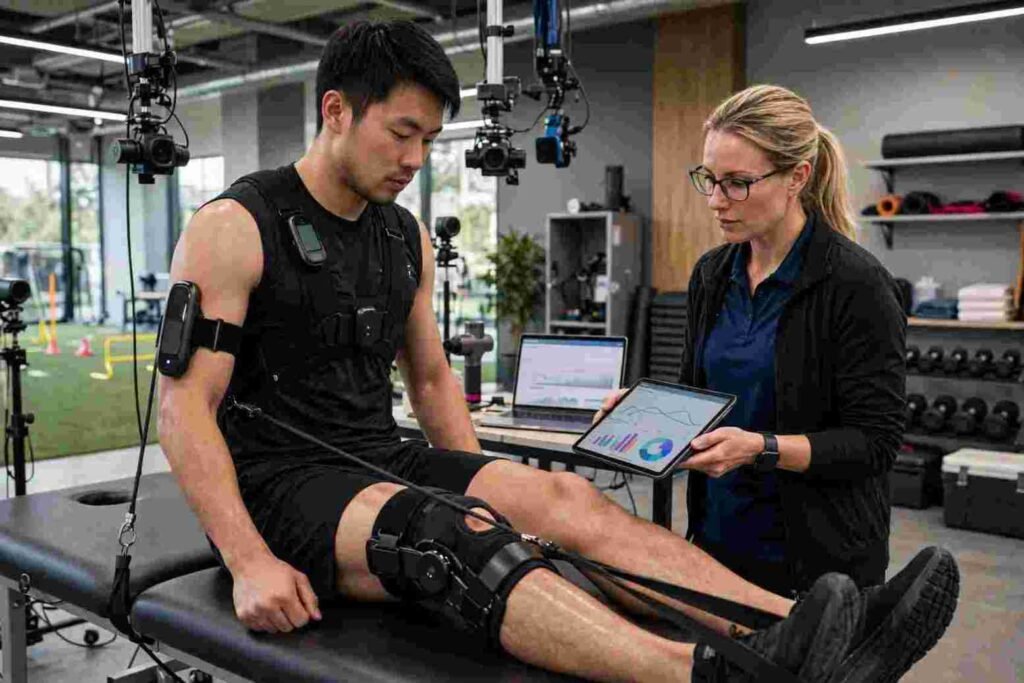
Beyond scheduling, athlete management system integration can connect wearable GPS devices, sports medicine EMRs, rehabilitation applications, and performance dashboards.
Synchronizing data from multiple wearable devices and health-monitoring platforms through fitness tracking data synchronization helps maintain consistent activity records and gives sports professionals a more connected view of athlete performance and recovery.
Wearable injury tracking technology captures training exposure, distance, acceleration, and other physical workload measurements.
Connecting these records helps athletic trainers review rehabilitation progress alongside training demands.
For example, an athlete recovering from a hamstring injury may gradually increase running volume while clinicians review symptoms and strength assessments.
Catapult’s athlete management integration guidance illustrates how wearable performance data can enter connected athlete management workflows.
However, AI-powered injury analytics and workload measurements should support professional assessments, not replace clinical judgment.
How Can US Sports Facilities Protect Sensitive Athlete Medical Information?
Privacy protection becomes particularly important when medical systems exchange information with commercial booking software.
I recommend separating detailed personal health records from the general reservation database. The booking system should receive only the minimum information needed to determine eligibility.
Role-based access control (RBAC) helps enforce this separation. Front-desk employees can view whether an athlete may reserve a facility without accessing diagnoses, treatment notes, or confidential medical history.
Organizations should also implement encryption, multifactor authentication, audit logs, and secure data synchronization.
US programs must evaluate the Health Insurance Portability and Accountability Act (HIPAA) where applicable and the Family Educational Rights and Privacy Act (FERPA) when handling covered student records. GDPR requirements may also apply when processing information within its jurisdictional scope.
The US Department of Health and Human Services provides guidance on how HIPAA and FERPA apply to student health information.
How Can Sports Organizations Avoid Common Integration Problems?
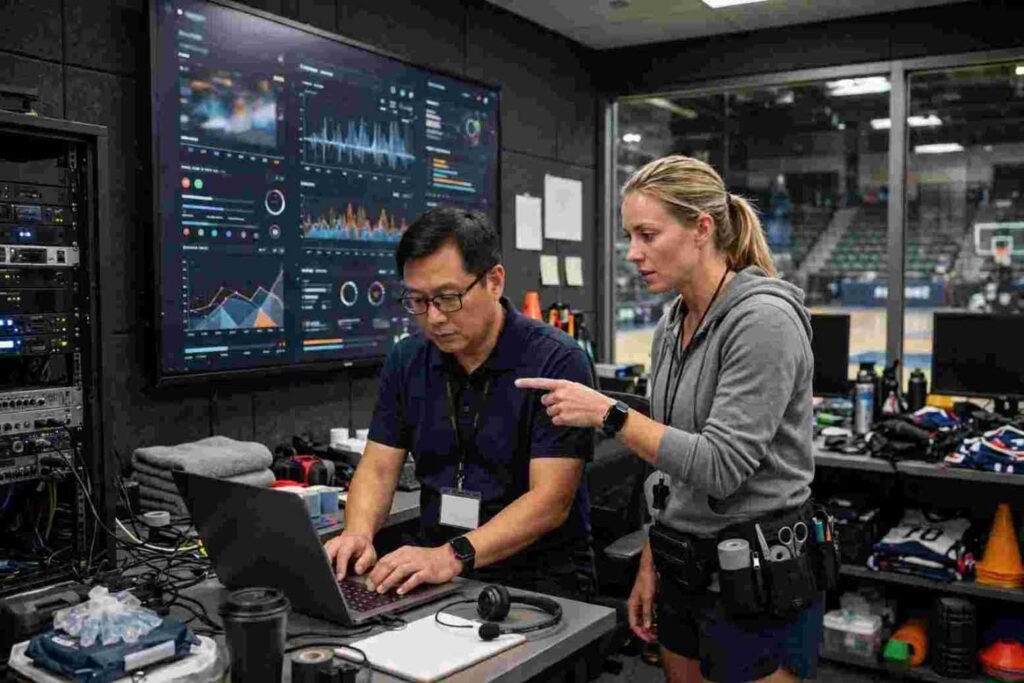
Even advanced systems can experience synchronization delays, incompatible data formats, and incorrect athlete identifiers.
Sports organizations that also host tournaments and spectator events may need to connect their reservation workflows with sports ticketing system integration to coordinate event-related operations across different platforms.
Before launching athlete injury tracking integration, I recommend testing booking restrictions, status updates, rehabilitation appointments, and notification workflows using authorized test records.
Administrators should also verify that canceled reservations do not accidentally affect entire teams and that outdated clearance statuses cannot override newer medical decisions.
Regular audits help identify failed transfers and inaccurate records.
To evaluate results, facilities can measure booking conflicts, synchronization errors, unused court hours, rehabilitation appointment attendance, and time spent updating schedules.
Frequently Asked Questions
1. Can Athlete Injury Tracking Software Automatically Cancel Facility Bookings?
Yes. Compatible scheduling systems can cancel or restrict individual reservations when an athlete’s approved eligibility status changes. Organizations should require additional approval for shared team reservations.
2. What Software Can Connect Athlete Injuries With Facility Scheduling?
Athlete management platforms, sports medicine EMRs, and compatible booking systems can exchange permitted data through APIs or supported integrations. The exact capabilities depend on vendor compatibility.
3. Can Injured Athletes Book Rehabilitation Facilities Automatically?
Yes. With appropriate configuration, approved athletes can reserve physiotherapy rooms, recovery equipment, and low-impact training spaces based on medical participation restrictions.
4. Is Athlete Injury Tracking Integration HIPAA Compliant?
Compliance depends on the organization, applicable laws, data handling, and vendor safeguards. Connecting two platforms does not automatically make the resulting workflow HIPAA compliant.
Final Thoughts
I see athlete injury tracking integration as more than a tool for monitoring injuries. When connected with sports facility booking automation, it can turn medical participation restrictions into practical scheduling controls.
From restricting unsafe training reservations to coordinating rehabilitation appointments and restoring approved facility access, the right integration reduces administrative friction.
For US athletic departments and sports facility operators, the strongest approach combines reliable technology, appropriate privacy safeguards, and medical oversight to create safer, more efficient daily operations.