

I would rather discover a fabric shortage at receiving than halfway through a cutting run. Yet when purchasing, warehouse staff, and production planners work from separate records, that shortage can stay hidden until an order is already behind schedule. That is why I evaluate fabric tracking tools for manufacturers by how accurately they connect physical materials with daily production decisions.
For apparel factories, upholstery workshops, and contract manufacturers, effective tracking starts with individual rolls. Knowing total yardage helps, but knowing which rolls are usable, available, and suitable for an order makes that information actionable.
Why Fabric Needs More Than Basic Inventory Tracking
Fabric inventory involves more than counting identical items. Two rolls carrying the same material code can differ in width, usable length, shade, or inspection status.
A warehouse might physically hold 1,000 yards while production has already reserved 350. Another 100 yards could be awaiting inspection. Without separate stock statuses, purchasing may promise material that cannot actually be released.
Reliable tracking distinguishes physical stock, reserved quantities, available material, and quarantined rolls. It also preserves the connection between each roll and its supplier, purchase order, dye lot, and production history.
Which Types of Tracking Tools Should You Consider?
Barcode and QR Scanning
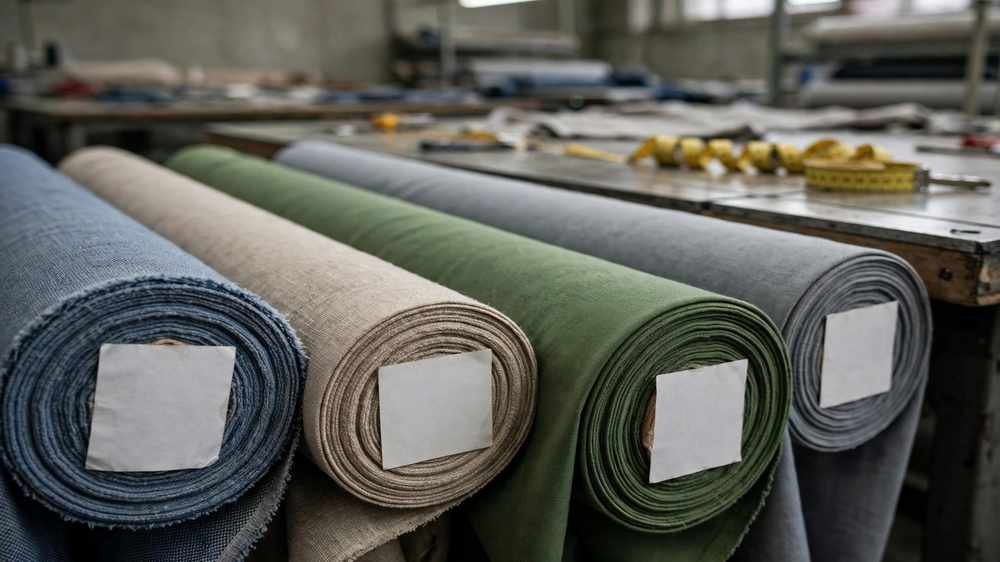
Barcode and QR workflows let employees identify rolls when receiving, moving, issuing, or returning fabric. Scanning reduces repeated typing, although accuracy still depends on correct labels and consistent procedures.
Before choosing equipment, test labels against warehouse dust, handling, and the processing conditions they will encounter.
RFID Systems
RFID can support identification without individually positioning every label in front of a scanner. Its suitability depends on tag placement, reading conditions, equipment costs, and the movements being recorded.
Ask vendors to demonstrate reliable reads in your actual operating environment before expanding beyond a pilot.
Inventory Software and Textile ERP
Inventory software manages quantities, locations, reservations, and transactions. Textile ERP can connect those records with purchasing, production planning, costing, and accounting.
Inspection and cutting systems serve additional purposes, such as recording defects or planning material usage. Establish which system owns each record before connecting them.
Essential Features Manufacturers Should Compare
When comparing fabric tracking tools for manufacturers, prioritize operational requirements over the longest feature list.
Individual Roll Records
Each roll should have a unique identifier linked to material specifications, supplier details, dye lot, actual received length, width, location, and quality status.
Record measured quantities separately from supplier-declared quantities. A roll labeled 60 yards should not automatically become 60 usable yards in inventory.
Partial Rolls and Remnants
A useful system records what remains after cutting and whether that remainder can support another order.
Remnants need identifiable locations and usable dimensions. Otherwise, employees may purchase new material while suitable leftovers remain overlooked.
Dye-Lot Restrictions
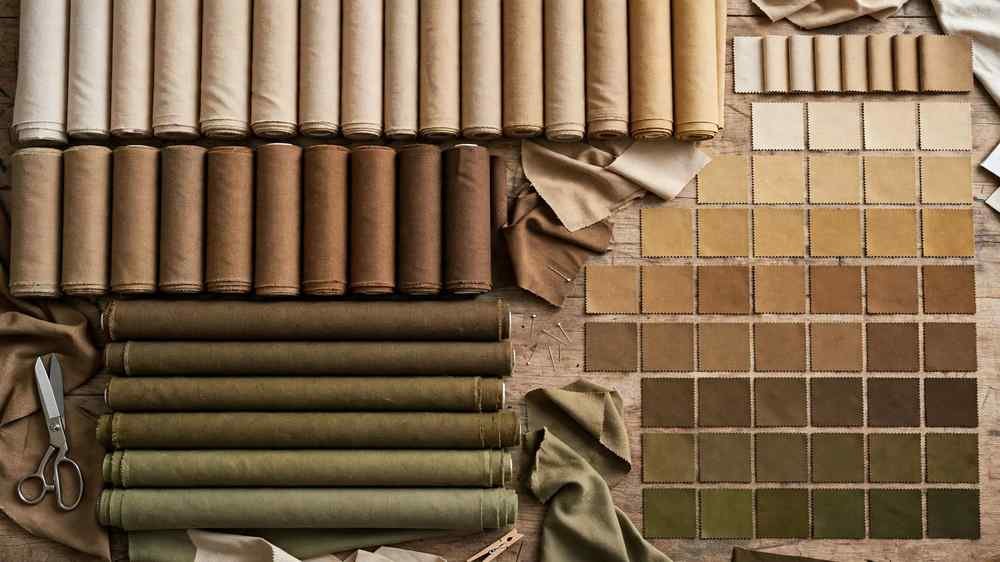
Tracking should help planners select compatible lots, support digital sample approvals for designers, and flag substitutions that require approval. A matching color name alone does not establish shade compatibility.
Units and Quantity Controls
Domestic suppliers may quote yards and inches, while imported materials arrive in meters or kilograms. Software should preserve original measurements and apply documented conversion rules.
Length-to-weight conversions require relevant fabric specifications and validation; they should not rely on one universal multiplier.
How Tracking Works From Receiving to Cutting
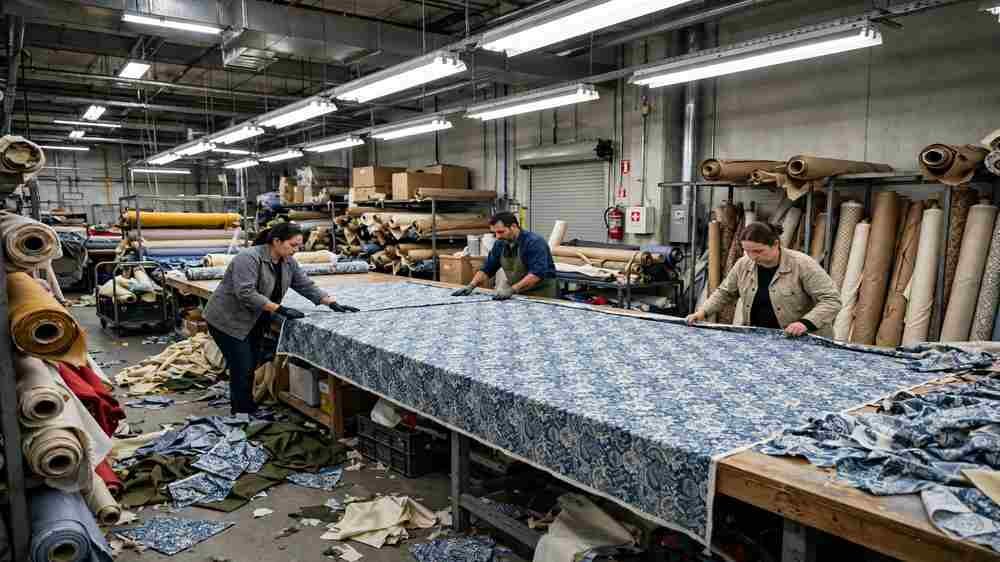
Consider a hypothetical furniture manufacturer receiving several upholstery rolls for a production order.
At receiving, employees scan each roll, verify delivered quantities, and record supplier and lot information. Inspection then identifies usable material and places questionable rolls on hold.
Warehouse staff assign storage locations. Production planners reserve approved rolls against work orders, reducing available stock without changing the physical quantity.
When cutting starts, operators record material issued and actual consumption. Reusable remnants return to identifiable storage locations, while scrap and defects receive separate transaction records.
Finally, the system reconciles issued material against consumed fabric, returned quantities, and recorded losses. This creates a clearer explanation of variance than a single stock adjustment.
Connect Tracking With Existing Business Systems
Integrations matter because fabric information influences decisions beyond the warehouse.
Purchasing needs accurate availability before reordering. Production needs confirmed reservations and quality status. Accounting needs consistent material costs and documented adjustments.
Define a shared material identifier, roll-number format, location structure, and transaction vocabulary before building connections.
For API integrations, clarify how systems handle duplicate messages, delayed updates, failed transactions, and corrections. A failed connection should create a visible exception with an assigned owner.
Also establish whether updates must happen immediately or whether scheduled synchronization meets operational needs. The appropriate approach depends on how quickly inventory decisions change.
Introduce the System Without Disrupting Production
Start with one warehouse area, material family, or production line. Clean existing records, count opening stock, and resolve duplicate identifiers before importing data.
Train employees using everyday tasks: receiving a short roll, moving material, issuing a partial quantity, returning remnants, and correcting a mistaken scan.
Test connectivity where employees actually work. If offline scanning is required, verify how transactions synchronize and how conflicting updates are resolved.
Expand after the pilot demonstrates dependable records and workable routines.
Measure Whether Tracking Improves Results
Choose a baseline before implementation. Useful measures include physical-to-system inventory variance, stock-count time, unexplained consumption, and the percentage of movements recorded correctly.
Separate material savings from administrative savings. Faster counting is valuable, but it does not automatically demonstrate lower cutting waste.
Review exceptions regularly and investigate repeated causes rather than correcting balances without explanation.
Frequently Asked Questions
1. Can fabric tracking tools for manufacturers manage partially used rolls?
Yes, suitable systems can record remaining quantities, remnant locations, and subsequent issues. Ask vendors to demonstrate partial consumption and returns using a realistic production example.
2. Is barcode tracking enough for a small factory?
It may be sufficient when supported by reliable inventory software and consistent scanning. Evaluate transaction volume, warehouse layout, and production requirements before investing in additional hardware.
3. What should a software demonstration include?
Request receiving, inspection holds, reservations, partial issues, remnant returns, lot restrictions, audit history, and exports. Use your own workflow and sample records.
Make Every Yard Accountable
I see the greatest value in fabric tracking tools for manufacturers when employees can explain where material went and what remains available. That confidence supports purchasing, production, and customer commitments.
I would start with accurate roll identities, clear responsibilities, and one manageable pilot. Once those foundations work, broader automation becomes easier to evaluate and maintain.


4 thoughts on “Fabric Tracking Tools for Manufacturers: Make Every Yard Count”