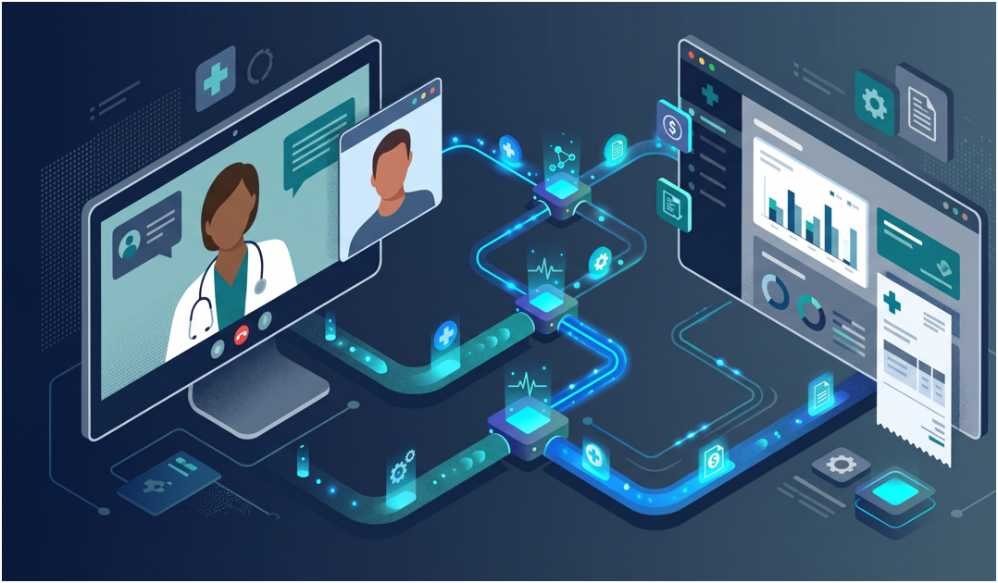
Choosing the best iPaaS for syncing HL7 and FHIR healthcare data comes down to one architectural question: are you pulling pipe-delimited messages out of on-premises hospital servers, or connecting cloud-native SaaS tools? After spending years architecting clinical data pipelines across hospital networks and digital health startups, I have watched teams burn six figures on the wrong middleware simply because they ignored how their EHR actually speaks.
The right integration platform bridges decades-old hospital messaging with modern web APIs without forcing your engineers to become full-time interface analysts. Below is my field-tested breakdown of the leading platforms, real pricing tiers, and deployment timelines you should expect before signing a contract.
Why Legacy HL7 v2 and Modern FHIR R4 Still Clash in Production

Most US hospitals still run on HL7 v2—a 1980s pipe-delimited messaging standard transmitted over TCP/IP using Minimal Lower Layer Protocol (MLLP) inside site-to-site VPN tunnels. Meanwhile, every modern patient portal, telehealth app, and payer mandates RESTful JSON APIs built on the HL7 FHIR specification.
With the CMS Interoperability and Prior Authorization Final Rule (CMS-0057-F) enforcing strict FHIR API compliance deadlines through January 2027, healthcare teams can no longer treat translation as an afterthought. You need middleware that translates messy PID and OBX segments into clean FHIR R4 resources in real time.
When an off-the-shelf connector falls short, building a custom API integration often becomes necessary to preserve clinical context across proprietary EHR extensions. Choosing an integration platform as a service (iPaaS) that handles both legacy MLLP listeners and modern OAuth 2.0 SMART on FHIR authentication saves months of brittle glue code.
Top Healthcare iPaaS Platforms Compared: Pricing, Deployment, and Timelines
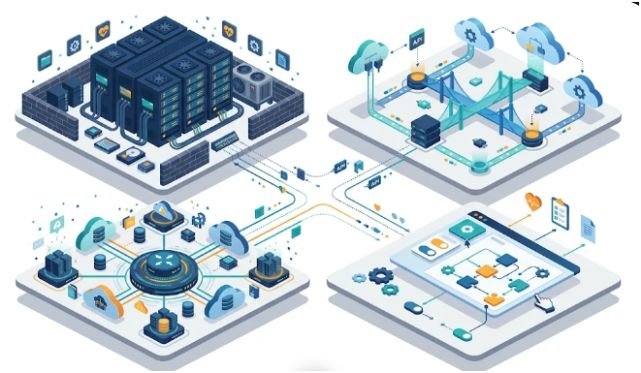
No single tool wins across every clinical architecture. In my deployments, platform performance depends heavily on message volume, internal engineering headcount, and whether your infrastructure sits on-premises or in a public cloud.
| Platform | Typical Pricing Model & Range | Deployment Options | Implementation Timeline |
| Rhapsody | Annual License / Subscription
Starts ~$50,000/yr (1 prod license + up to 5 endpoints); scales to $150k+ for multi-hospital networks. |
On-premises, private VPC (AWS/Azure), Rhapsody as a Service, or Envoy cloud iPaaS. | 4 – 12+ Weeks
Fast engine spin-up; bulk of time goes to VPN setup and custom HL7 route testing. |
| Redox | Platform Fee + Connection/Volume
Starts ~$30,000 – $75,000+/yr plus per-connection setup fees; scales with active EHR endpoints. |
100% Cloud-Native (Multi-Tenant SaaS). Redox manages VPNs and MLLP listeners. | 4 – 6 Weeks per Connection
1–2 weeks for your API build; 3–4 weeks for partner hospital IT testing. |
| MuleSoft | Capacity (vCores) & Message Volume
Entry packages start ~$57,000/yr; full healthcare enterprise stacks routinely exceed $150,000 – $250,000+/yr. |
Hybrid & Multi-Cloud (CloudHub SaaS, Runtime Fabric Kubernetes, or on-premises). | 3 – 6+ Months
Requires standing up API governance and custom DataWeave mapping scripts. |
| Keragon | Transparent Tiered SaaS
99–149/mo (Starter), $399/mo (Pro), $1,499/mo (Scale Up), plus custom Enterprise tiers. |
100% Cloud-Native (Multi-Tenant SaaS). Zero infrastructure management. | Days to 2 Weeks
Immediate self-service launch via no-code visual workflow builder. |
Rhapsody: Best for High-Volume Hospital Networks
Rhapsody is a battle-tested clinical interface engine that now offers cloud-native iPaaS tiers alongside its classic self-hosted deployment. It excels at chewing through massive daily volumes of ADT (Admission, Discharge, Transfer) feeds, lab orders, and Bulk FHIR exports without choking.
The trade-off is a steeper learning curve. While Rhapsody provides visual mappers and native MLLP support, your team will still need dedicated clinical integration engineers to maintain custom JavaScript filters and route logic.
Redox: Best for Digital Health Startups and SaaS Vendors
If you are building a digital health product and need to connect with Epic, Oracle Cerner, or MEDITECH across dozens of health systems, Redox is purpose-built for your bottleneck. Redox absorbs the pain of configuring hospital VPN tunnels and translating idiosyncratic HL7 v2 feeds into a single normalized FHIR JSON API.
You integrate once against Redox’s cloud endpoints, and their team handles partner hospital onboarding. Just watch your unit economics—per-connection and transaction-based pricing can grow expensive as your hospital footprint scales.
MuleSoft: Best for Enterprise-Wide API Governance
Large health systems and payers choose MuleSoft when clinical interoperability is only half the puzzle. Using the Anypoint Healthcare Accelerator, MuleSoft links HL7 and FHIR data directly into Salesforce Health Cloud, ERP systems, and member billing portals under one governance umbrella.
However, MuleSoft is overkill if you only need clinical point-to-point syncing. High licensing fees and heavy DataWeave development requirements make it a slow, costly choice for smaller teams.
Keragon: Best for Lean Cloud-to-Cloud Automation Teams
Keragon represents the new wave of healthcare-specific no-code iPaaS built for outpatient clinics and fast-moving operations teams. Instead of managing servers or MLLP ports, you use a drag-and-drop canvas to connect cloud EHRs like Athenahealth or Elation with CRMs, scheduling apps, and billing tools.
I frequently recommend no-code platforms like Keragon when clinics want to automate patient intake workflows in days rather than quarters. If you rely heavily on legacy on-premises hospital feeds, though, you will outgrow its cloud-API focus quickly.
Infor Cloverleaf & IBM App Connect: Notable Heavyweights
Two other enterprise platforms deserve mention depending on your legacy footprint. Infor Cloverleaf remains a powerhouse inside large IDNs (Integrated Delivery Networks) for high-throughput clinical routing, though it retains a traditional interface-engine feel. IBM App Connect fits organizations running hybrid IBM Cloud Pak environments that need event-driven, bi-directional HL7-to-FHIR transformations without rewriting mainframe applications.
The 3-Year TCO Reality Check: Usage Fees vs. Engine Licenses

Most buyers evaluate iPaaS vendors on Year 1 sticker price and get blindsided in Year 3. From my architecture audits, total cost of ownership diverges sharply between capacity-licensed engines and usage-based cloud networks:
- High-Throughput Inpatient Environments: A 300-bed hospital generating 250,000 HL7 messages daily will pay roughly 180,000–240,000 over three years on a capacity-based Rhapsody deployment (including internal engineer allocation). Trying to push that same raw ADT firehose through a per-transaction SaaS API can easily double your licensing bill.
- Multi-EHR Digital Health Rollouts: Conversely, a SaaS vendor integrating with 15 different health systems on Rhapsody or MuleSoft will spend hundreds of thousands of dollars on integration engineers just managing VPN certificates and custom HL7 quirks. Paying Redox $200,000+ over three years often yields a lower TCO because you avoid hiring two full-time interface specialists.
Always model your 36-month message volume and endpoint count before choosing between an engine license and a managed API network.
Four Non-Negotiable Criteria Before You Sign a Healthcare iPaaS Contract

Before locking into an annual agreement, verify four technical and regulatory checkpoints during your proof-of-concept phase:
- Signed HIPAA Business Associate Agreement (BAA): Never transmit Protected Health Information (PHI) through a general automation tool without a formal contract. As outlined in HHS.gov HIPAA Business Associate guidance, your vendor must sign a BAA covering encryption at rest, encryption in transit, and immutable audit logs.
- USCDI & US Core Profile Validation: Confirm that the platform’s FHIR mappers validate against current HealthIT.gov ONC FHIR standards and US Core profiles, rather than outputting generic, non-compliant JSON payloads.
- Graceful Error Queues & Replayability: Hospital interfaces drop connections constantly. Your iPaaS must quarantine malformed HL7 segments into a dead-letter queue and allow one-click message replay without losing sequence order.
- Transparent Connector SLAs: Ask how fast the vendor builds missing EHR or SaaS connectors—and whether custom connector development triggers surprise professional-services fees.
Stop Duct-Taping Your Clinical Data Pipelines Together
Picking the best iPaaS for syncing HL7 and FHIR healthcare data is ultimately an exercise in matching your infrastructure reality to your team’s engineering bandwidth. If you run high-volume hospital infrastructure, anchor your stack with Rhapsody or Cloverleaf.
If you are scaling a digital health app across external EHRs, let Redox absorb the VPN headache. And if you need rapid cloud-to-cloud clinic automation, start with Keragon.
Your next step is simple: map your top three data flows on paper—noting source protocol, daily message volume, and target FHIR R4 resources—and demand a live mapping demo using your actual anonymized HL7 sample files before signing any contract.
Frequently Asked Questions
1. What is the difference between a clinical interface engine and a healthcare iPaaS?
A clinical interface engine (like Rhapsody or Cloverleaf) specializes in high-volume on-premises HL7 v2 routing, whereas a healthcare iPaaS (like Redox or Keragon) provides cloud-native API orchestration across SaaS and EHR apps.
2. Can open-source tools like Mirth Connect replace commercial healthcare iPaaS platforms?
Yes, NextGen Connect (Mirth Connect) handles custom HL7-to-FHIR transformations at zero licensing cost, but it requires experienced internal developers to build, secure, and maintain every interface.
3. Why do hospitals still use HL7 v2 if FHIR R4 is the federal standard?
Hospitals rely on HL7 v2 because their core inpatient EHR modules were built around real-time, event-driven ADT and lab feeds that remain deeply embedded in clinical workflows.
4. Does every healthcare iPaaS vendor sign a HIPAA Business Associate Agreement?
No—general horizontal iPaaS tools often restrict PHI on standard tiers, so you must confirm a signed BAA is included before moving production patient data.