

As our parents grow older, even simple activities like answering the door, remembering medication, or walking through a dark hallway can become challenging. I’ve always believed that technology should make everyday life easier, especially for older adults who want to remain independent.
The best smart home gadgets for elderly parents address everyday challenges without requiring complicated applications or expensive installations. From voice-controlled assistants to emergency call buttons, these devices can improve convenience, communication, and home safety.
However, not every gadget suits every household. Let’s explore the most practical smart home technology for aging in place and how to choose devices that genuinely help.
Which Voice-Controlled Smart Home Devices Are Best for Seniors?
1. Smart Speakers for Hands-Free Assistance
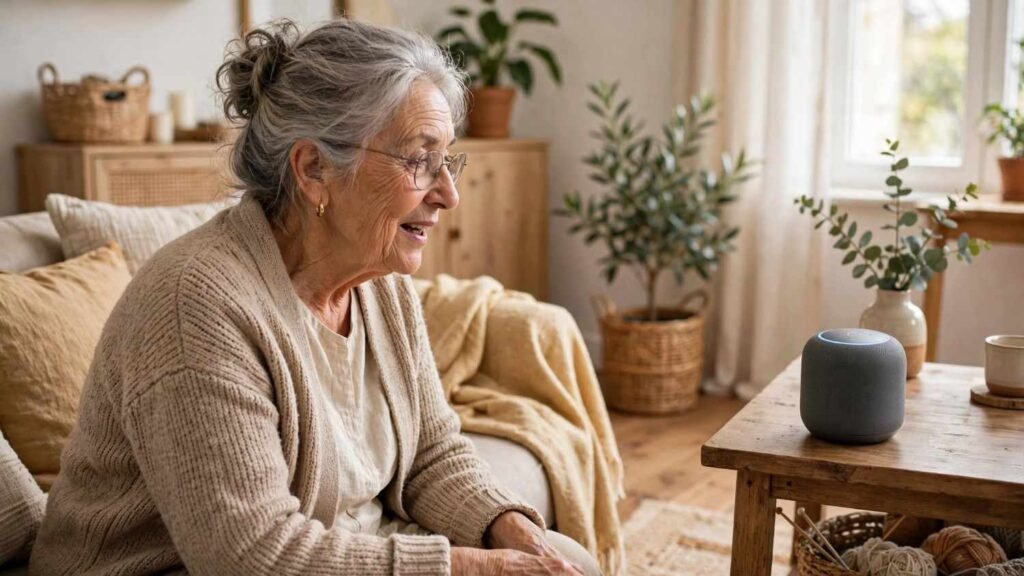
Smart speakers like Amazon Echo and Google Nest allow older adults to control compatible devices using simple voice commands.
They can check the weather, listen to news, set kitchen timers, schedule medication reminders, and make supported hands-free calls.
For seniors with limited mobility or poor eyesight, voice assistants eliminate the need to navigate tiny smartphone screens or complicated remote controls.
2. Smart Displays for Easy Family Communication
Smart displays combine voice controls with video calling, making communication easier for elderly parents living alone.
Some compatible devices support approved-contact calling or automatic connection features, allowing relatives to check in without requiring complicated touchscreen navigation.
However, auto-answer capabilities vary by device and service. Families should enable these settings only with their parents’ permission.
Which Smart Home Gadgets Help Elderly Parents During Emergencies?
3. Wi-Fi Caregiver Call Buttons
Wireless caregiver call buttons provide a simple way to request assistance.
Parents can wear a button around their neck or keep one beside their bed. Pressing it sends notifications to designated family members through a compatible system.
Some models offer alerts without monthly monitoring fees. However, these devices depend on connectivity and usually do not guarantee professional emergency assistance.
4. Fall Detection Devices and Medical Alerts

Fall detection smartwatches and medical alert systems provide additional protection for older adults at risk of falling.
Certain devices can recognize hard falls and contact emergency services or designated caregivers under supported conditions.
When choosing fall detection devices for seniors, consider battery life, monitoring fees, cellular connectivity, and ease of operation.
No device detects every fall, so families should maintain a separate emergency response plan.
5. Smart Smoke and Carbon Monoxide Detectors
Connected smoke and carbon monoxide alarms can notify family members when dangerous conditions are detected.
Compatible systems may also activate smart lights during an alarm, improving visibility along evacuation routes.
Choose certified alarms that meet applicable safety requirements. Smart notifications supplement rather than replace the alarm’s essential local warning function.
How Can Smart Home Technology Help Seniors Remember Daily Routines?
6. Wi-Fi Orientation Clocks
Large digital orientation clocks display the time, weekday, date, and part of the day in easy-to-read text.
Some connected models allow caregivers to schedule remote reminders for meals, medications, and appointments.
These clocks can be particularly helpful for older adults experiencing memory difficulties or confusion about daily schedules.
Check display readability, notification volume, remote setup features, and power requirements before purchasing.
7. Smart Medication Dispensers
Smart pill dispensers support medication management through scheduled alerts and controlled access.
Certain models unlock only the scheduled medication compartment and notify caregivers when a dose is missed.
I recommend verifying pill compatibility, subscription costs, and pharmacist instructions before buying.
These systems can improve medication organization but cannot replace professional guidance or guarantee correct medication use.
Which Smart Home Devices Improve Security and Reduce Everyday Hazards?
8. Motion-Activated Smart Lighting
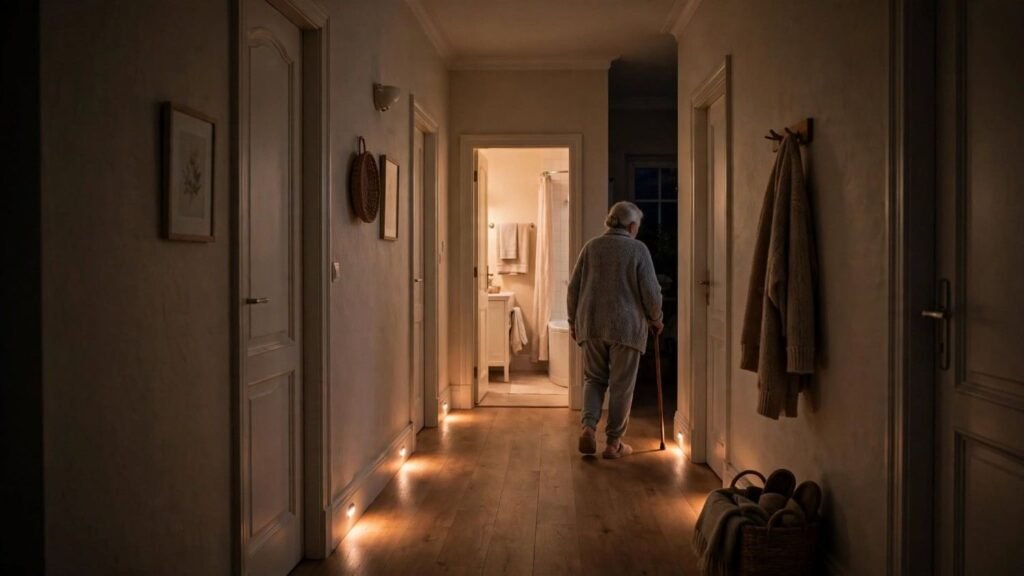
Motion-sensor lights automatically illuminate hallways, bathrooms, and bedrooms when movement is detected.
For example, installing low-level LED lighting beneath a bed can brighten the route to the bathroom when someone gets up at night.
The National Institute on Aging recommends adequate lighting and reducing household tripping hazards.
Smart lighting improves visibility, but families should also secure rugs, clear walkways, and install appropriate handrails.
9. Smart Door Contact Sensors
Smart door sensors detect when doors or cabinets open and close.
Caregivers can configure compatible devices to send notifications when an exterior door remains open or when unusual activity occurs.
A medicine cabinet sensor can indicate whether someone opened the cabinet, although it cannot confirm medication was taken.
Use remote monitoring transparently and respect your parent’s privacy preferences.
10. Video Doorbells and Smart Locks
Video doorbells allow elderly parents to see and speak with visitors without rushing to the entrance.
Smart locks provide convenient entry through keypads, compatible smartphones, or temporary caregiver access codes.
Together, these smart home safety devices can simplify visitor management and reduce unnecessary movement.
Choose reliable products with accessible controls, secure permissions, and backup entry options.
Which Smart Gadgets Make Everyday Home Management Easier?
11. Smart Plugs for Convenient Appliance Control
Smart plugs allow seniors to control compatible lamps and household electronics through schedules or voice commands.
They can also simplify daily routines by automatically switching selected lighting on or off.
Some models track electricity usage, helping families identify unnecessary energy consumption.
Never use ordinary smart plugs with high-power heating or cooking appliances unless the manufacturer specifically approves that use.
12. Smart Thermostats for Comfortable Indoor Temperatures
Smart thermostats regulate heating and cooling through programmed schedules and remote controls.
They can help older adults maintain comfortable indoor conditions during hot summers and cold winters.
Some models also provide energy reports and HVAC maintenance notifications.
Before installation, confirm compatibility with the home’s heating and cooling system.
How Do You Choose the Right Smart Home Gadgets for Aging Parents?
Choosing the best smart home gadgets for elderly parents means focusing on daily needs rather than purchasing the latest technology.
Start by identifying the biggest concern: medication management, mobility, communication, or household security.
Prioritize simple controls, accessible displays, reliable connectivity, and reasonable maintenance costs.
Compare hardware prices, subscriptions, installation expenses, and backup power options. A device that works only with continuous Wi-Fi may need an alternative during outages.
For older adults with limited vision or hearing, select features that accommodate their specific accessibility needs.
How Can Families Set Up Smart Home Technology Without Overwhelming Seniors?
I recommend introducing one device at a time.
If your parent struggles with nighttime visibility, start with motion-activated lighting rather than installing an entire home automation system.
A trusted family member can manage technical settings through authorized caregiver accounts, while the parent retains control over personal information and shared access.
Whenever possible, prioritize automation over complicated manual controls. Motion sensors, scheduled reminders, and automatic lighting reduce the need to learn unfamiliar routines.
Test notifications, adjust volumes, explain basic operation, and periodically review device permissions.
As AARP explains, connected technology can support independent living, but it should complement human interaction rather than replace it.
Frequently Asked Questions (FAQs)
1. What Are the Most Useful Smart Home Devices for Elderly People Living Alone?
Voice assistants, medical alert systems, motion-activated lighting, video doorbells, and smart medication reminders are useful starting points. The right combination depends on individual needs.
2. Can Smart Home Technology Help Prevent Falls Among Seniors?
Motion-activated lighting improves visibility and may reduce certain tripping hazards. However, fall prevention also requires clear pathways, adequate handrails, and other physical safety improvements.
3. Do Smart Home Devices Require Monthly Subscriptions?
Not always. Basic smart speakers, motion sensors, and certain caregiver buttons may operate without subscriptions. Professional monitoring, cloud recordings, and advanced features can involve recurring fees.
4. Are Smart Home Devices Difficult for Older Adults to Operate?
Many devices offer voice commands, automatic routines, and simplified interfaces. Choosing accessible technology and introducing it gradually can make adoption easier.
Helping Elderly Parents Live More Safely and Independently
I believe smart home technology works best when it solves meaningful everyday problems without creating unnecessary complexity.
Whether it’s helping parents remember medications, communicate with family, navigate their homes safely, or manage household energy consumption, small improvements can make a noticeable difference. Even simple features like monitoring electricity usage through smart plugs can help families identify unnecessary energy waste and manage household expenses more efficiently.
When selecting the best smart home gadgets for elderly parents, prioritize reliability, accessibility, affordability, and personal comfort. Start with one useful device, involve your parents in the decision, and expand gradually.
Ultimately, the goal isn’t to automate every household activity. It’s to create a comfortable, supportive environment where older adults can maintain their independence and confidence.