Building a new basketball court is a major investment for any school, community center, or private property. A high-quality court does more than provide a space to play; it enhances athlete performance, ensures safety, and withstands years of use with minimal upkeep. Achieving these results requires careful planning and informed decision-making from the start. By understanding the key factors of the design and construction phases, you can avoid costly mistakes and ensure the final product meets your functional and aesthetic goals.
Purpose and Intended Use
Before construction begins, clearly define how the basketball court will be used. Competitive courts have different specifications than recreational or multi-purpose spaces. Determine if the court will host organized games, training sessions, casual play, or a mix of activities. This intended usage dictates essential design elements, including dimensions, surface materials, lighting, and line markings. Establishing these goals early ensures the final product effectively meets your needs.
Location and Available Space
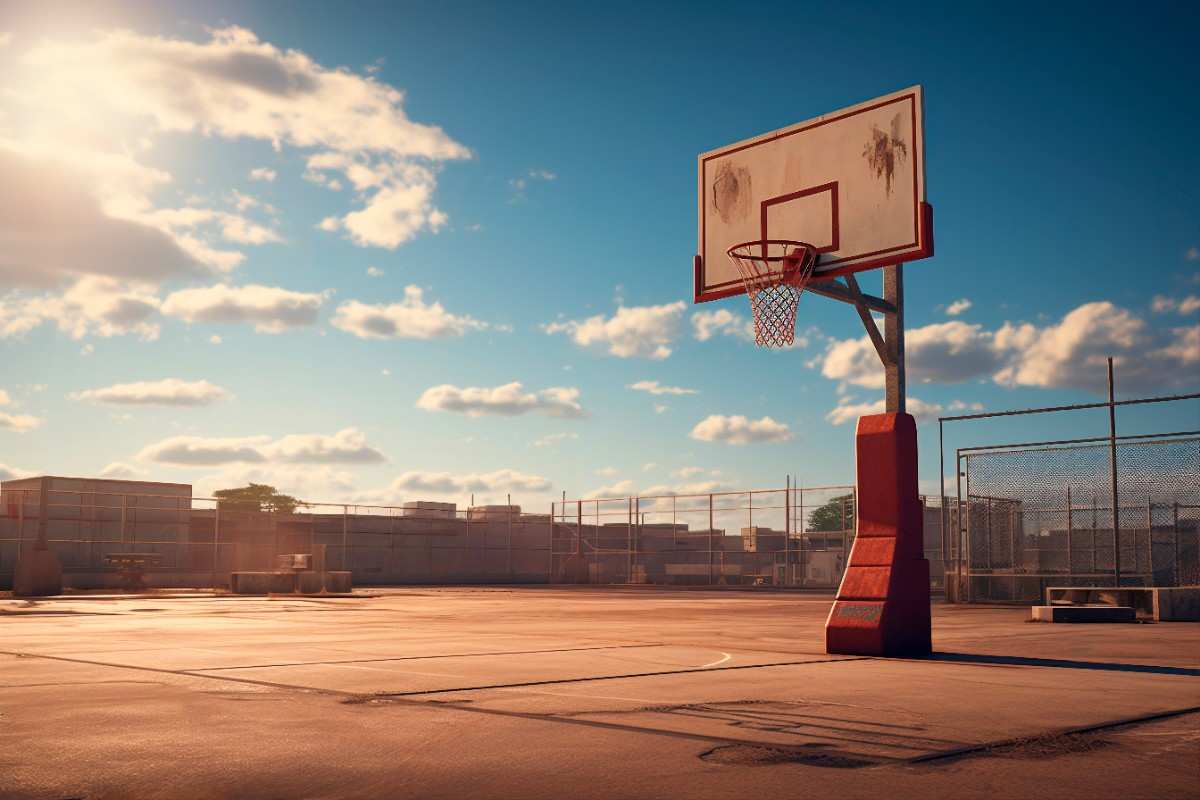
The court’s location significantly impacts its performance and durability. For outdoor courts, consider factors like sun exposure, wind direction, and proximity to other structures to avoid glare, uneven wear, or drainage issues. Indoor courts need adequate ceiling height, wall clearance, and ventilation. For either option, precise site measurements are crucial to meet regulation standards and ensure safe movement around the court.
Court Surface Selection
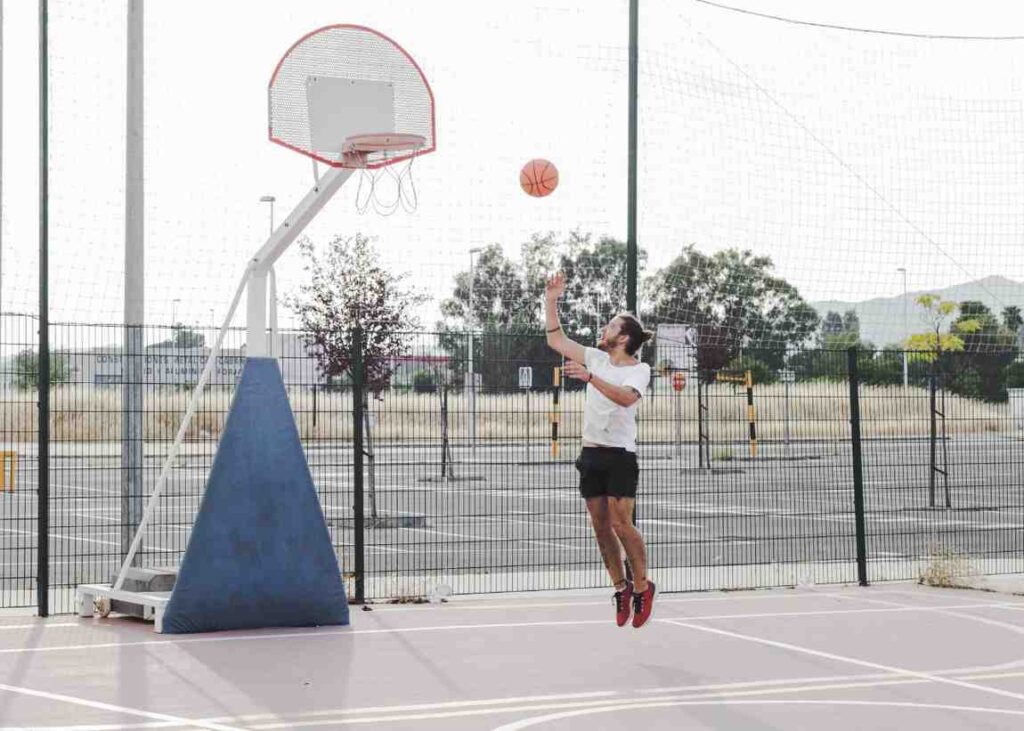
The playing surface is critical to a basketball court’s performance, influencing ball bounce, traction, and shock absorption. Popular options include modular sports flooring, cushioned acrylic systems, and concrete with specialized coatings. Each material offers unique advantages based on your climate, budget, and expected usage. Selecting the appropriate surface not only ensures consistent play throughout the year but also helps minimize the risk of player injury.
Drainage and Base Preparation
A solid foundation is vital for a court’s longevity, particularly in climates with fluctuating weather. Proper base preparation prevents the cracking, shifting, and water pooling that degrades surfaces over time. Outdoor courts require effective drainage to divert water away from the play area, maintaining ground stability through seasonal temperature shifts and precipitation. Investing in a well-prepared base ensures durability and significantly reduces long-term maintenance costs.
Safety and Player Protection
Player safety is a top priority in basketball court construction. Key considerations include non-slip surfaces, smooth transitions between different areas, and sufficient space around the court’s perimeter. Clear boundary lines and a consistent surface texture allow players to move confidently during fast-paced games. Depending on the court’s location and users, additional features like padded walls, proper fencing, or controlled access points might be necessary. Integrating these elements creates a safer environment for athletes of all ages.
Lighting and Visibility
Quality lighting is essential for safety and performance. For outdoor courts, evenly distributed lights minimize shadows and glare during evening play. Indoor courts require balanced illumination to ensure consistent visibility across the surface. Strategic fixture placement improves player performance and reduces eye strain, creating a better experience for games and practice. Integrating lighting into the initial design process ensures a seamless layout that meets both functional and aesthetic needs.
Customization and Design Features
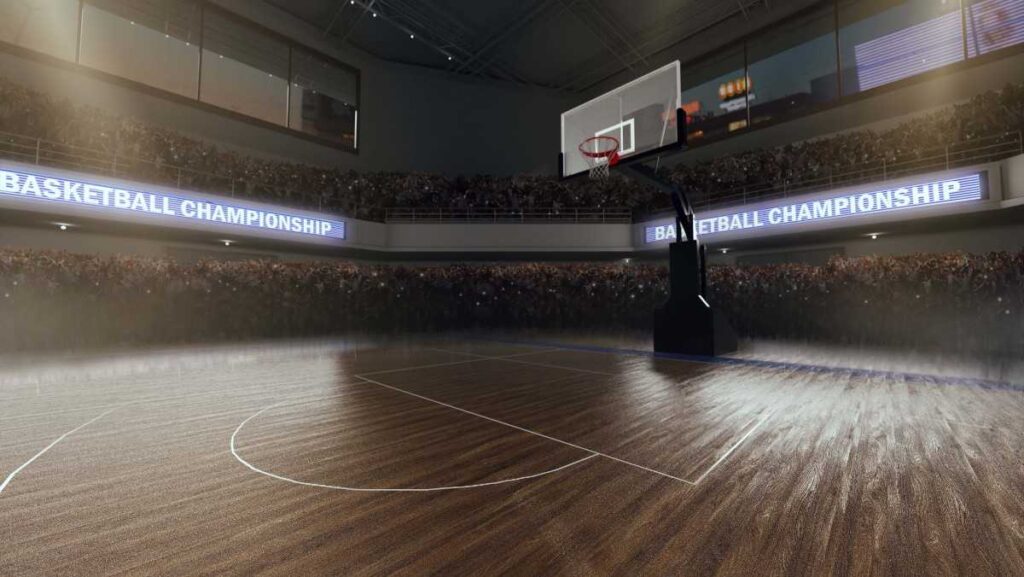
Customization helps the court reflect its unique purpose and environment. Options include custom color schemes, line markings, logos, or multi-sport layouts. While aesthetics are important, design choices should never compromise the court’s function or safety. Thoughtful customization enhances the overall experience while ensuring the court meets standard dimensions and performance requirements.
Choosing the Right Professional Support
Selecting the right professional to manage the project is one of the most critical decisions. An experienced basketball court contractor in Utah will ensure that the design, materials, and construction methods suit local conditions and meet performance standards. A good contractor coordinates site preparation, surface installation, and finishing details, keeping the project on schedule. Their professional guidance adds value by minimizing errors and ensuring quality workmanship.
Long-Term Maintenance Considerations
A basketball court is a long-term investment, so maintenance planning should be part of the initial discussion. Some surfaces require periodic resurfacing, while others just need regular cleaning and inspection. Understanding the maintenance requirements upfront helps you plan for ongoing care and extend the life of your court, preserving play quality and protecting your investment.
Conclusion
Building a basketball court requires more than just installing a playing surface. Factors like purpose, location, materials, safety, and professional expertise are essential to creating a durable, high-performing court. Thoughtful planning and well-informed choices ensure the final result meets both current needs and future expectations.