
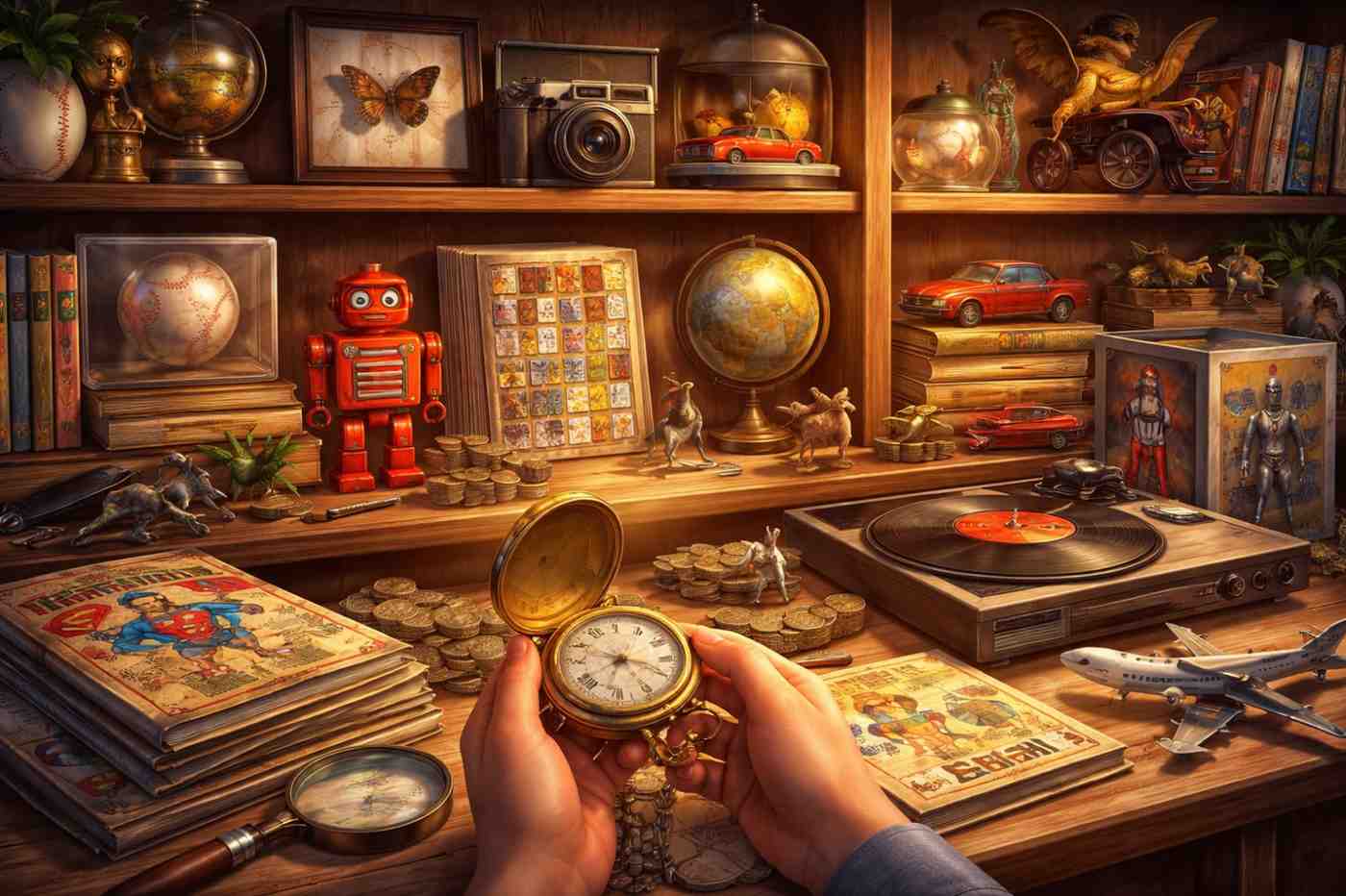
Humans have gathered objects for thousands of years. From ancient tools found in caves to modern shelves lined with vinyl records, the drive to collect is a behavior deeply embedded in our history. It goes beyond simple accumulation. True collecting involves a conscious decision to acquire, organize, and catalog items that hold specific value to the owner. While some might view it as clutter, psychologists recognize collecting as a complex activity driven by various emotional and intellectual needs.
Understanding why we keep things requires looking at the human mind. The reasons are rarely singular. Instead, they are a mix of nostalgia, the thrill of the hunt, a desire for control, and a need for connection.
The Evolutionary Roots
The instinct to gather likely stems from our earliest ancestors. For early humans, stockpiling food and tools was essential for survival. Those who were successful at gathering resources had a better chance of enduring harsh winters or periods of scarcity. While we no longer need to hoard nuts or berries to survive the season, the biological urge remains.
Shifting from Need to Want
In modern society, this survival mechanism has evolved. We have redirected that primal energy toward objects that bring pleasure rather than physical sustenance. The satisfaction derived from securing a rare item mimics the biological reward system that once reinforced successful foraging. It provides a sense of security and abundance, even if the items themselves serve no utilitarian purpose.
Emotional Connections and Nostalgia
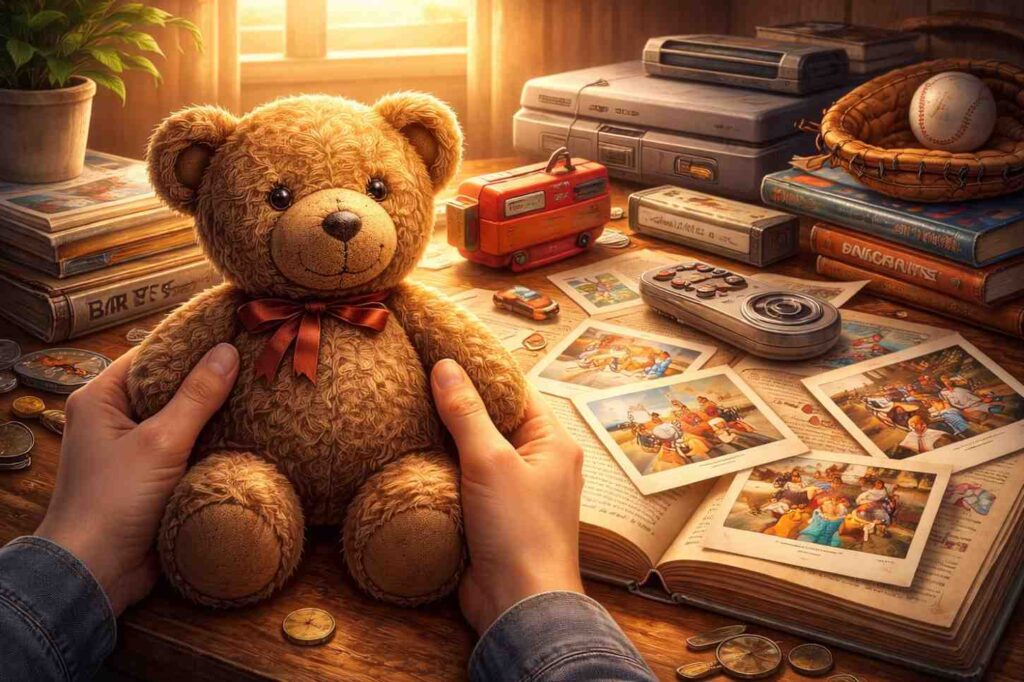
For many collectors, objects serve as tangible bridges to the past. A collection often represents a specific time in history or a personal memory that the owner wishes to preserve. Handling these items can evoke strong feelings of comfort and safety.
Anchoring Memories
An object can freeze a moment in time. A vintage toy might transport an adult back to a carefree childhood, while a ticket stub could recall a first date. By keeping these items close, collectors feel a sense of continuity in their lives. The objects act as external storage for memories, ensuring that significant personal history does not fade away. This emotional attachment is often why people find it difficult to part with collections, even when they run out of space.
The Thrill of the Hunt
The process of locating a new item is often just as rewarding as owning it. The search triggers the brain’s reward center, releasing dopamine. This chemical is associated with pleasure and motivation. The anticipation of finding a missing piece creates a sense of excitement and purpose.
The Joy of Completion
There is a distinct psychological satisfaction in completing a set. Whether it is finishing a series of books or finding the last stamp for a page, the act of completion provides a sense of closure and achievement. It validates the time and effort invested in the hobby. For some, the search becomes a challenge or a puzzle to be solved, requiring research, patience, and strategy.
Establishing Control and Order
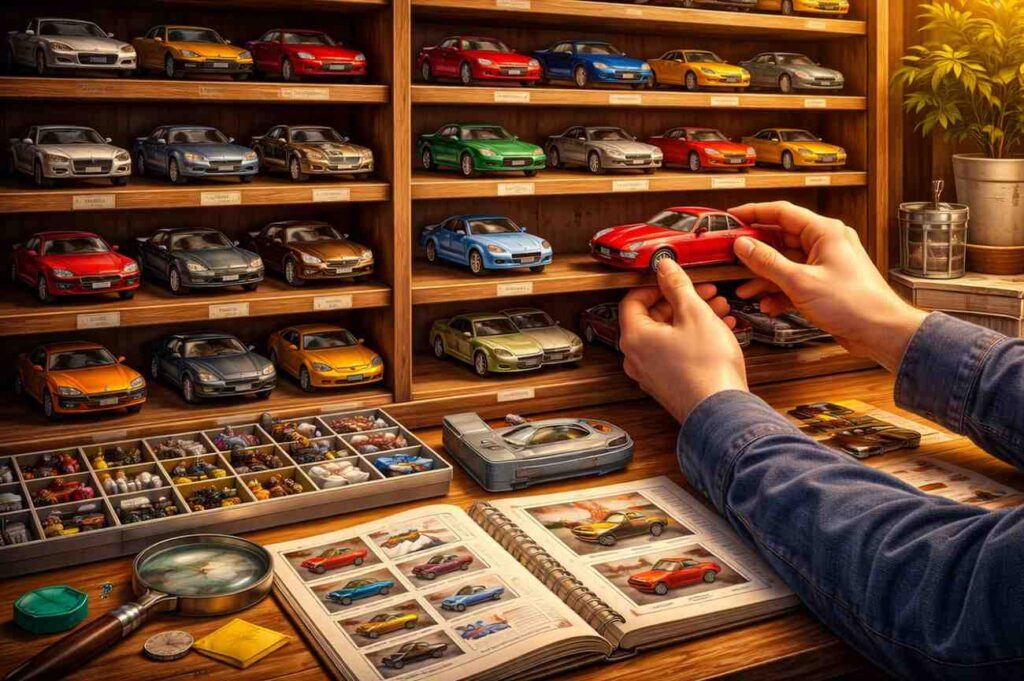
The world can be unpredictable and chaotic. Collecting offers a way to create a small, controlled environment where everything has a place. Organizing a collection allows an individual to impose order and structure.
Creating a Curated World
Classifying items by date, color, size, or rarity creates a system that makes sense to the collector. This sorting process can be incredibly soothing. It allows for a level of perfectionism that might not be attainable in other areas of life. A collector can curate their display exactly how they want it. For example, someone might meticulously arrange custom airplane models to demonstrate the evolution of aviation design, ensuring every piece is perfectly positioned. This attention to detail provides a safe haven where the collector is the master of their domain.
Social Connection and Identity
While the act of collecting can be solitary, it also fosters community. Collections often serve as an extension of one’s identity. They signal to others what is important to the collector, whether it is art, history, or pop culture.
Finding Common Ground
Collecting opens the door to social interaction with like-minded individuals. Online forums, conventions, and local clubs allow enthusiasts to share knowledge, trade items, and celebrate their shared passion. This sense of belonging validates the hobby and transforms it from a private habit into a social asset. It connects people who might otherwise never meet, bonding them over a mutual appreciation for the specific items they cherish.



One thought on “The Psychology of Collecting: Why We Keep Things”