

Osteoarthritis (OA) is a degenerative joint disease characterised by the breakdown of cartilage and the underlying bone within a joint. This condition, commonly found in the knee, can lead to pain, stiffness, and a significant reduction in the quality of life. However, there are numerous strategies to manage osteoarthritis pain, one of which includes the use of Knee Braces for Osteoarthritis. This article delves into how knee braces can help those dealing with OA and the benefits derived from their use.
Understanding Osteoarthritis and Knee Pain
Osteoarthritis is the most prevalent form of arthritis and affects millions of individuals worldwide. The knee joint, with its complex structure and weight-bearing capacity, is particularly susceptible to the wear and tear associated with OA.
The pain from knee osteoarthritis arises not only from the deterioration of cartilage but also from inflammation and changes to the tissues around the joint, including the synovium and ligaments. Consequently, individuals with OA often find their mobility and daily activities hampered due to discomfort and a diminished range of motion.
Finding Relief Through Non-Invasive Methods
Non-invasive approaches to managing osteoarthritis pain are crucial for those looking to avoid or delay surgical interventions. These methods often constitute a combination of lifestyle modifications, physical therapy, and supportive devices such as knee braces.
Proper weight management, regular low-impact exercise, and strength training are often recommended to reduce burden on the knees and enhance muscle support. Moreover, knee braces can play a pivotal role in promoting joint stability and alleviating pain.
How Knee Braces Can Help
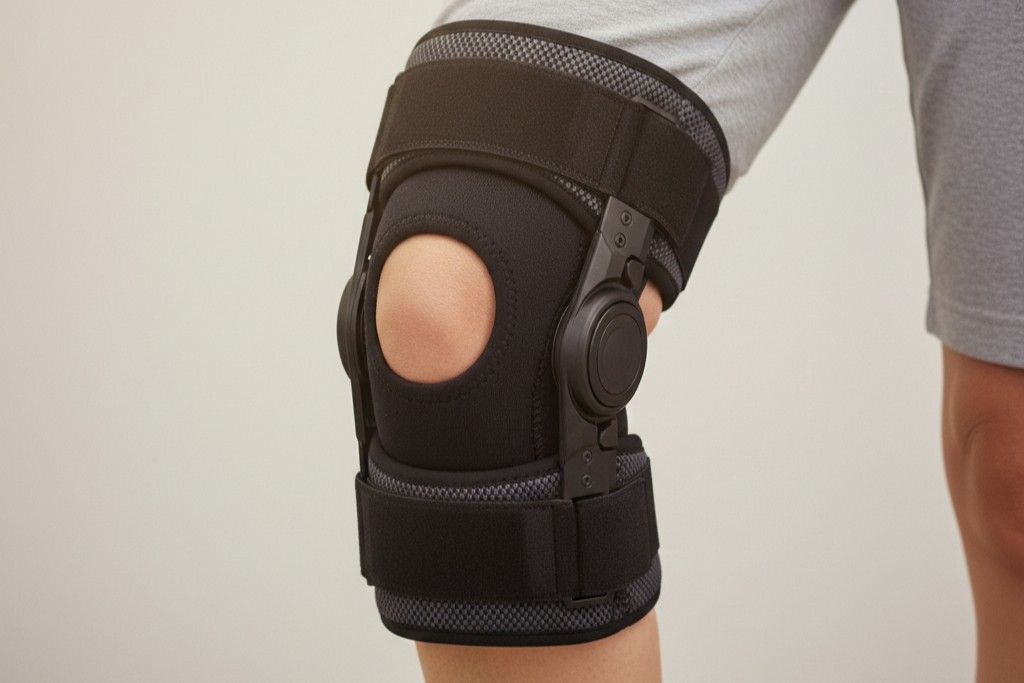
Knee braces specifically designed for osteoarthritis can provide targeted benefits. These braces work by either taking pressure off the damaged part of the knee, offering support to the entire joint, or doing both. The intent is to alleviate pain, improve function and potentially slow disease progression.
Reducing Load and Correcting Alignment
Unloading or off-loader knee braces are types that particularly benefit those with unilateral compartment osteoarthritis, where only one side of the knee is affected. By adjusting the alignment of the leg and redistributing weight away from the damaged area, these braces can significantly reduce pain.
Enhancing Stability and Support
Other knee braces provide compression and support around the knee joint. This increased sense of stability can promote confidence during movement and activity, which is vital for maintaining muscle strength and joint flexibility.
Braces as a Complementary Therapy
While knee braces can provide relief, it is important to note they are often most effective when used in conjunction with other forms of OA treatment. Physical therapy exercises, appropriate medication, and even injections may be part of a comprehensive management plan for osteoarthritis.
Selecting the Right Knee Brace
Choosing the correct knee brace is crucial and should be done with professional guidance from a health care provider or a specialist in orthotics. Factors such as the type and severity of osteoarthritis, lifestyle, and activity level should influence the selection of an appropriate knee brace.
It is also essential to ensure a proper fit to gain maximum benefit from a knee brace. Ill-fitting braces can cause discomfort, skin irritation, and may even worsen knee issues instead of providing relief.
The Psychological Impact of Knee Braces

Aside from their physical benefits, it can positively impact one’s psychological state. Knowing that the joint is supported may encourage individuals to engage more confidently in physical activities. Thereby leading to improved overall well-being.
Moreover, the visual reminder of a knee brace can serve as a prompt to maintain a healthier lifestyle. Such behavioral changes might lead to better weight management, which is a key component in managing knee osteoarthritis.
Limitations and Considerations
It’s important to acknowledge that knee braces are not a cure for osteoarthritis and may not be suitable for everyone. Some individuals may experience discomfort or prefer not to use a brace due to personal preferences.
Additionally, knee braces should be viewed as one aspect of an osteoarthritis management strategy. It is advisable to consider the holistic approach. One that encompasses diet, exercise, medical treatments, and possibly surgical options for advanced cases.
Conclusion
Living with osteoarthritis of the knee does not mean resigning to a life of pain and limited movement. Knee braces are valuable tools in the arsenal against OA, providing relief, enhancing stability, and supporting active participation in life.
Knee braces should complement a broader treatment plan, as they can significantly improve symptom management and daily comfort. Working with medical professionals helps identify the most suitable knee brace and ensures proper, effective use.
Understanding the various functional advantages of Knee Brace for Osteoarthritis, individuals can take an active role in managing their condition. By improving their quality of life, and potentially postponing the need for more invasive interventions.



2 thoughts on “Alleviating Osteoarthritis Pain: The Benefits of Knee Braces”