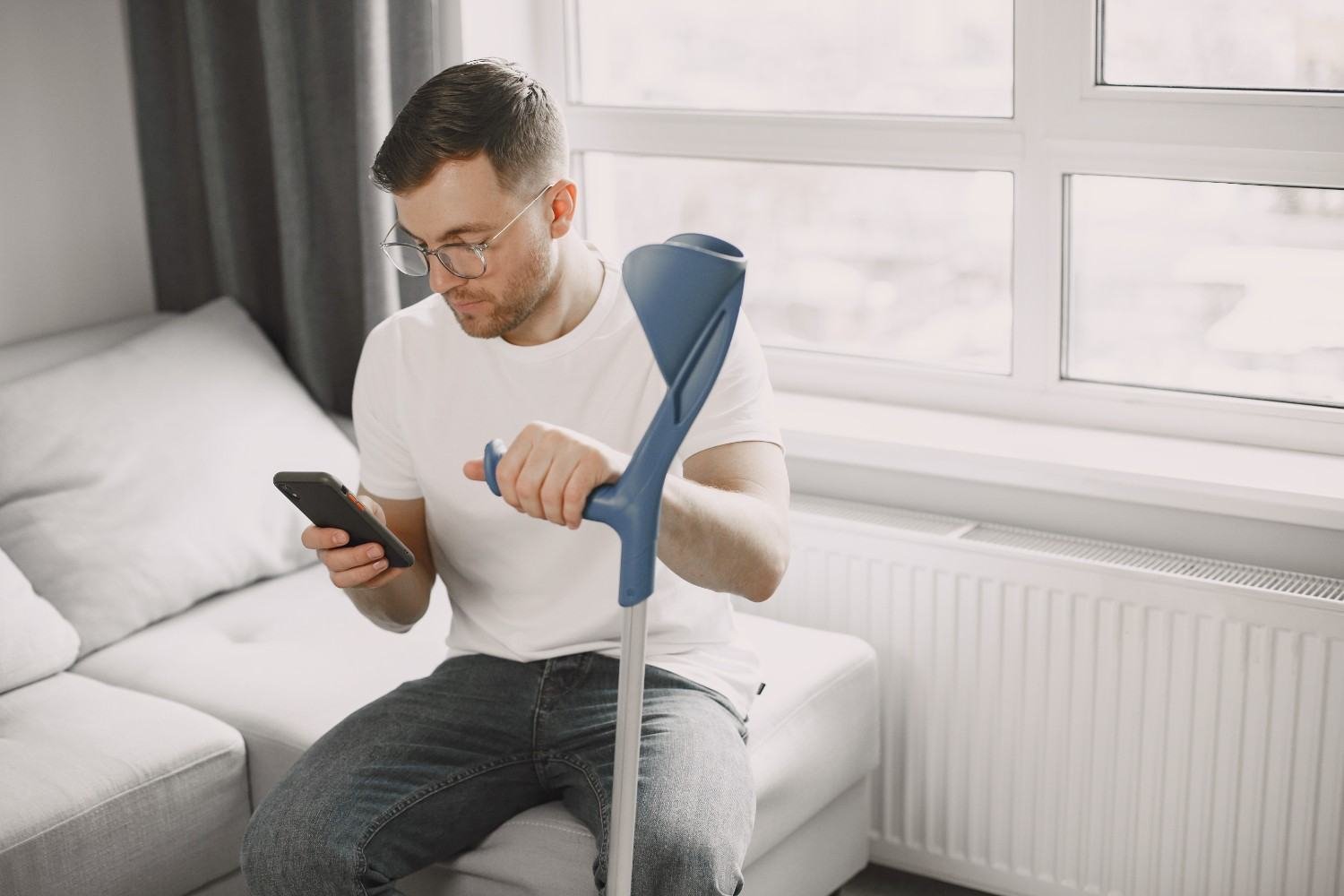
Mobile physiotherapy is an innovative approach to delivering physiotherapy services directly to patients’ homes or workplaces. This model has gained significant traction in recent years due to its convenience and effectiveness. Many patients find it difficult to attend regular physiotherapy sessions at clinics due to mobility issues, busy schedules, or transport limitations. Mobile physiotherapy addresses these challenges by bringing expert care to the patient’s location, providing personalised treatment in a comfortable environment.
Accessible Care for All Patients
One of the primary benefits of mobile physiotherapy is increased accessibility. Patients with chronic illnesses, mobility restrictions, or those recovering from surgery often struggle to travel to clinics. Mobile physiotherapy eliminates the need for travel, making essential rehabilitation services available to those who otherwise might experience delays or interruptions in treatment. This accessibility can lead to faster recovery times and improved overall outcomes.
Personalised Treatment Plans
Mobile physiotherapy allows practitioners to assess patients within their own environment, enabling customised treatment plans that account for real-life conditions. This context enhances the practitioner’s understanding of the patient’s challenges, such as home layout or workplace ergonomics, which can profoundly impact recovery strategies. Personalised care ensures that exercises and therapies are relevant and practical, contributing to long-term health benefits.
Convenience and Flexibility
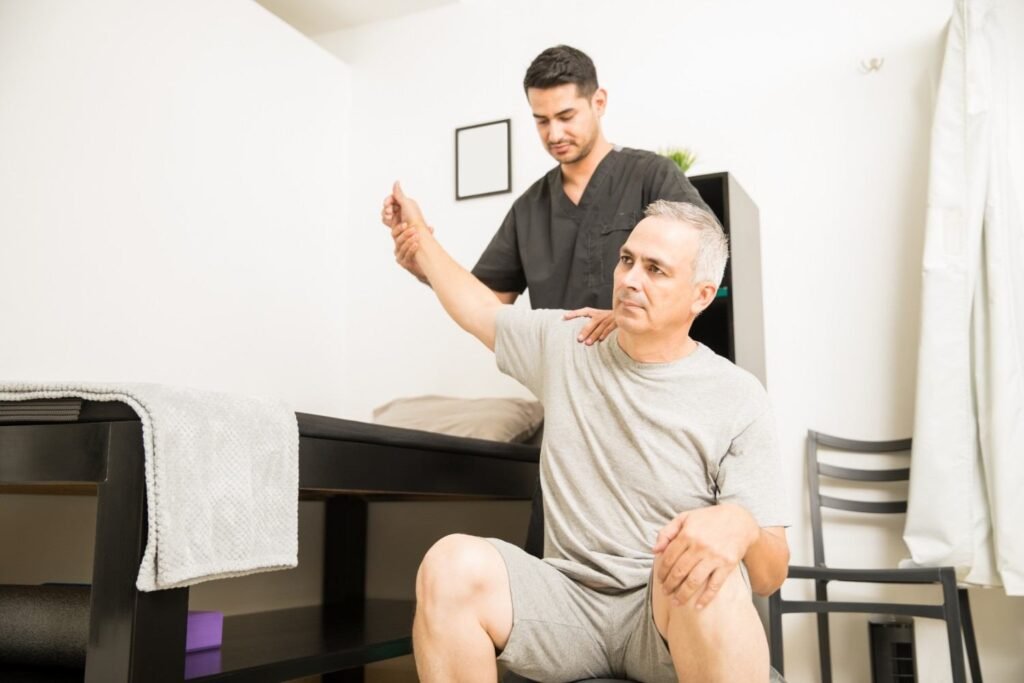
Scheduling appointments becomes significantly easier with mobile physiotherapy services. Patients can choose times that fit their daily routines, reducing the stress associated with fixed clinic hours. This increased flexibility encourages adherence to physiotherapy regimens, which is crucial for effective rehabilitation. Furthermore, caregivers and family members can also be onsite during sessions, offering additional support and motivation.
Reduction in Healthcare Costs
Mobile physiotherapy can contribute to lowering overall healthcare expenses. By preventing unnecessary hospital visits and reducing the risk of complications through timely intervention, patients save on transportation and associated costs. Additionally, early physiotherapy often reduces the need for costly surgical interventions or prolonged hospital stays. The economic benefits extend beyond the patient, relieving pressure on public health services.
Enhanced Patient Comfort and Satisfaction
Receiving physiotherapy at home provides patients with a familiar and relaxed setting, which can improve treatment outcomes. Anxiety commonly associated with clinical environments is minimised, enabling patients to focus on their rehabilitation activities. The personalised attention and reduced waiting times commonly encountered in clinics also contribute to higher satisfaction levels. Consequently, patients are more likely to engage fully in their recovery process.
Continuity of Care
Mobile physiotherapy supports consistent follow-up and monitoring, which are critical for chronic conditions and post-operative rehabilitation. Practitioners can quickly adapt treatment plans based on real-time observations and patient feedback. Continuous communication between therapist and patient fosters trust and encourages proactive management of health issues, reducing the likelihood of setbacks.
Suitable for Various Patient Groups
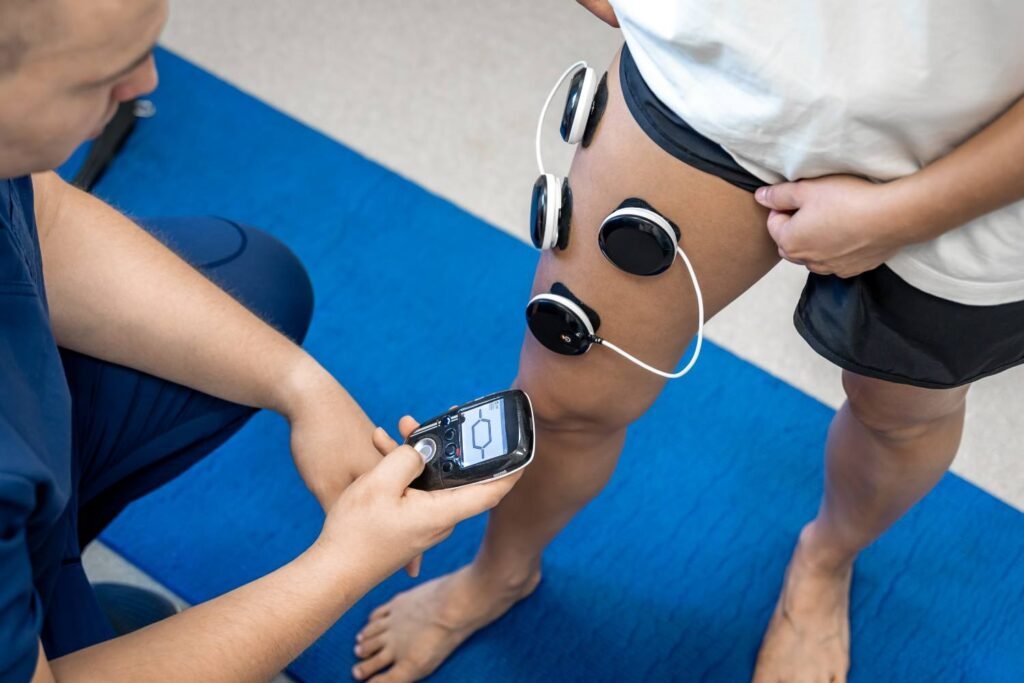
The mobile physiotherapy model caters to diverse populations, including elderly individuals, athletes, and those with disabilities. For elderly patients, mobility limitations often hinder access to clinics, making in-home care essential. Athletes benefit from tailored rehabilitation without interrupting training schedules. Patients with disabilities receive specialised support that addresses their unique needs within their living or working space.
Integration with Other Health Services
Mobile physiotherapy is often part of a multidisciplinary approach involving doctors, occupational therapists, and other healthcare professionals. This integration promotes comprehensive management of patient health. Collaboration between professionals is streamlined when physiotherapy services are delivered in conjunction with other home-based care, ensuring a holistic treatment plan.
Use of Modern Technology
Advancements in technology have enhanced mobile physiotherapy services. Practitioners use digital tools such as mobile apps and video consultations to supplement face-to-face visits. These technologies enable remote monitoring of progress, providing data that informs adjustments to treatment. Telehealth components ensure continued support when physical visits are not possible, maintaining continuity of care.
Promotion of Preventative Care
Mobile physiotherapy is not solely focused on rehabilitation but also serves a preventative function. Practitioners educate patients on exercises and lifestyle modifications that reduce the risk of injury and chronic pain. By addressing potential issues early, patients maintain better physical health and reduce dependency on clinical interventions.
Environmental and Safety Considerations
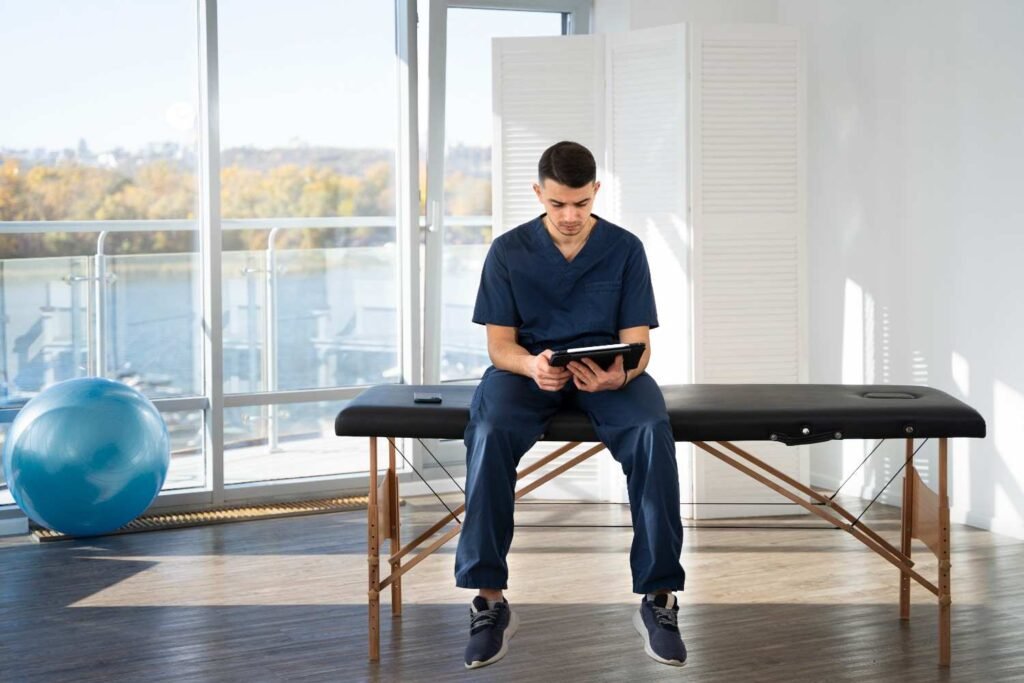
Delivering physiotherapy at home diminishes potential exposure to infections, which is particularly relevant during public health concerns such as pandemics. Patients remain in a controlled, sanitary environment, reducing the risk of contracting illnesses prevalent in clinic waiting areas. Additionally, home visits allow therapists to identify safety hazards in the patient’s environment that could impede recovery or increase fall risk.
How to Access Mobile Physiotherapy
Individuals interested in mobile physiotherapy can explore services offered by reputable providers to find options that best suit their needs. A leading example is mobile physiotherapy, which offers expert practitioners who deliver comprehensive care directly at the patient’s location. Engaging with such services typically begins with an initial assessment to determine suitability and formulate a treatment plan.
Conclusion
The benefits of mobile physiotherapy services are extensive and address many barriers associated with traditional physiotherapy delivery. Improved accessibility, personalised treatment, convenience, cost savings, and enhanced patient satisfaction collectively contribute to better rehabilitation outcomes. In some recovery plans, therapists may also discuss supportive options such as the benefits of knee braces when appropriate for improving stability, reducing strain, or supporting mobility. As healthcare continues to evolve, mobile physiotherapy is poised to play an increasingly important role in providing effective, patient-centred care tailored to individual needs.
For those seeking an adaptable and efficient physiotherapy option, mobile physiotherapy presents a valuable alternative that supports recovery while respecting patient preferences and lifestyles.