

Most acquisitions don’t die on a term sheet. They die in the data room, when a buyer is digging through disorganized files at 11pm and can’t find the one document that would’ve cleared up their biggest concern.
A due diligence data room is where deals actually get decided. Not in the boardroom. In the folder structure. Pick the wrong platform, or set the right one up badly, and you’ve just handed a buyer a reason to slow down, dig for leverage, or walk.
Here’s what actually matters when you’re choosing or building one, based on what deal teams check before they trust a platform with the documents that make or break a sale.
What a Due Diligence Data Room Actually Does
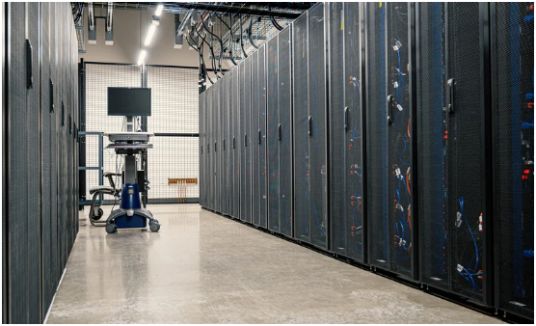
It’s the secure workspace where a company shares its financials, contracts, cap table, IP records, HR files, and compliance documents with buyers, investors, lawyers, and advisors during an M&A deal, a fundraise, or an audit.
That’s the simple version. The harder version: it’s the place where every assumption in a deal gets tested. Buyers use it to check whether the business is what the seller says it is. Sellers use it to prove they’ve got nothing to hide and everything under control.
A data room that’s fast, secure, and easy to navigate signals operational discipline before a buyer has asked a single question. A messy one raises doubts before due diligence has even really started.
The 5-Point Checklist Dealmakers Use
Most people evaluate a data room backwards. They compare storage limits and pricing tiers first, then security as an afterthought. Flip that order. Here’s what to check, in the order it actually matters:
| Checkpoint | What to Look For | Why It Matters |
|---|---|---|
| Security | AES-256 encryption, MFA, dynamic watermarking, per-user download/print controls, IP restrictions | One leaked document can end a deal or trigger a lawsuit |
| Structure | Bulk upload, full-text search, consistent indexing, version control | Buyers who can’t find a document assume it doesn’t exist |
| Audit trail | Timestamped logs of every view, download, and print, exportable reports | You need proof of who saw what, especially after close |
| Q&A workflow | Questions logged in-platform, assigned internally, timestamped answers | Email threads get lost; a logged Q&A doesn’t |
| Setup timing | Room built and populated weeks before formal diligence starts | A rushed data room is the single biggest red flag to a buyer |
1. Security You Can’t Compromise On
This is non-negotiable, not a nice-to-have. At minimum, look for end-to-end encryption at rest and in transit, multi-factor authentication for every user, and dynamic watermarking on sensitive files. You also want granular permissions, meaning you can restrict a specific buyer to view-only on a specific folder, and revoke that access instantly if a bidder drops out.
Certifications matter here too. A platform aligned with ISO 27001 for information security management, and that meets HIPAA and GDPR requirements where relevant, has already been tested against standards a court or regulator would recognize. That’s not marketing. That’s the bar for handling confidential deal data at scale.
2. Document Structure That Doesn’t Make Buyers Hunt
A due diligence data room lives or dies on its index. Buyers expect a logical folder structure, usually split into categories like corporate and legal, cloud-based support operations, financial documents, contracts, intellectual property, HR, and compliance. Full-text search across every file matters just as much as the folder tree, because buyers will search for specific terms (a clause, a customer name, a dollar figure) far more than they’ll browse.
Version control is the quiet feature that saves the most headaches. When three people are updating the same P&L statement, you need the platform to make it obvious which version is current and who touched it last. Confusion here doesn’t just slow things down. It makes buyers question whether the numbers are reliable at all.
3. Audit Trails That Hold Up Later
Every view, download, and print needs a timestamp attached to a name. This isn’t paranoia. It’s what proves, months after close, exactly what was shared and when, which matters in regulated industries and in any dispute over what a buyer did or didn’t know before signing.
Engagement data is the bonus here. If you can see that a bidder spent three hours in the customer contracts folder and thirty seconds in HR, that tells you where their real concerns are, often before they’ve said a word.
4. A Q&A Process That Doesn’t Live in Your Inbox
Due diligence generates hundreds of questions across multiple bidders. If those questions come in over email, you’ll get duplicates, lost threads, and no record of what was actually answered.
A data room with a built-in Q&A module keeps every question assigned, logged, and timestamped, and flags duplicates automatically so your team isn’t answering the same thing five times for five different buyer groups.
5. Timing: When to Actually Start
The biggest mistake isn’t a missing feature. It’s starting too late. Deal teams that wait for a signed letter of intent to begin building the data room are already behind.
A realistic target is to have the room built and substantially populated four to six weeks before formal diligence begins, since tracking down missing documents and cleaning up inconsistencies always takes longer than expected.
What This Looks Like in a Real Deal

EthosData’s own client list makes the stakes concrete. OakNorth Bank used EthosData’s platform to close a $330 million raise, the largest investment in UK history at the time, sharing sensitive financial information with a wide pool of potential investors while keeping tight control over exactly who saw what.
That’s not a hypothetical use case. It’s what a well-run data room is actually built to do: move real money, fast, without the process itself becoming the risk.
Common Ways Deal Teams Get This Wrong
- Granting broad access by default. Every user with unrestricted access is another way for sensitive data to leak. Set permissions by role, not convenience.
- Uploading files before they’re ready. A cluttered, outdated, or inconsistently labeled room frustrates buyers and slows the whole process down before it starts.
- Ignoring the audit log until something goes wrong. By then it’s too late to answer “who saw this and when.”
- Waiting for the LOI to start building the room. Missing documents and formatting inconsistencies take real time to fix. Starting late means fixing them under deadline pressure, which is when mistakes happen.
FAQ
1. Who typically needs access to a due diligence data room?
Buyers, sellers, legal counsel, financial advisors, and internal management, usually with different permission levels depending on their role in the deal.
2. Is a data room actually more secure than sending files by email?
Generally, yes. Standard file sharing and email don’t offer granular permissions, watermarking, or a full audit trail. A due diligence data room is built specifically to limit exposure while still allowing multiple parties to review the same documents.
3. Can multiple bidders review the data room at the same time?
Yes, most platforms support simultaneous multi-party access, often with bidder groups kept isolated from each other so competing buyers can’t see who else is reviewing the deal.
4. How long should documents stay accessible after the deal closes?
That depends on the transaction and the regulatory environment involved. Many companies keep access available for a defined period after close specifically to support audits or reference.
Get Your Data Room Ready
A due diligence data room isn’t the part of the deal that closes it. But get it wrong, disorganized files, shaky security, a rushed setup, and it’s absolutely the part that can slow one down or knock a few points off your valuation.


One thought on “What to Look for in a Due Diligence Data Room?”